Jessy obrien
Introduction
Foreign investment has become one of the most important drivers of economic growth in the global economy. Governments around the world compete aggressively to attract foreign direct investment (FDI) because it creates jobs, improves infrastructure, increases tax revenue, transfers technology, boosts exports, strengthens industries, and accelerates national development.
In the twenty-first century, investment competition has become increasingly intense. Countries no longer compete only with neighboring nations. They compete globally for multinational corporations, manufacturing plants, technology companies, financial institutions, logistics hubs, renewable energy projects, and startup ecosystems.
Investors today have many choices. Large corporations can establish factories in Asia, Europe, Africa, the Middle East, or Latin America depending on which locations offer the best combination of profitability, stability, infrastructure, labor, regulation, and market access. As a result, governments must continuously improve their investment environments to remain competitive.
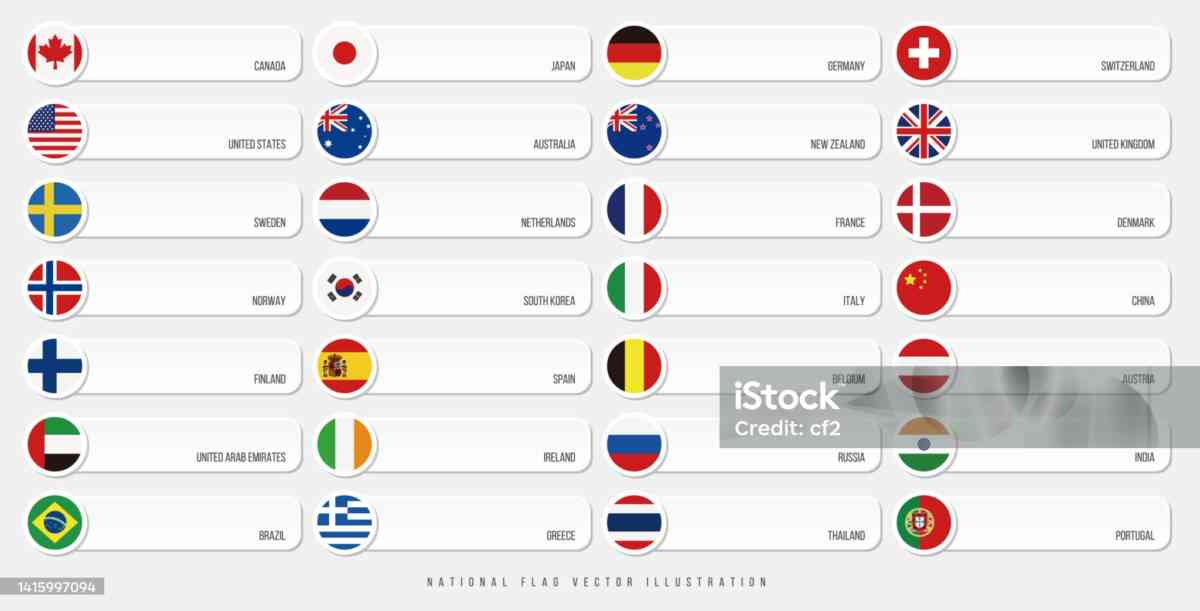
Some countries have become remarkably successful at attracting foreign investment. Nations such as Singapore, the United States, the United Arab Emirates, China, Ireland, Switzerland, and Vietnam have built strong reputations as investor-friendly destinations. Their success did not happen by accident. It resulted from deliberate policies, strategic planning, infrastructure development, economic reforms, and international positioning.
Governments use many tools to attract investment, including tax incentives, free economic zones, infrastructure spending, regulatory reforms, workforce development, trade agreements, and national branding campaigns. However, attracting investment is not simply about offering low taxes or cheap labor. Investors increasingly prioritize stability, innovation, sustainability, digital infrastructure, skilled workers, and long-term economic vision.
This article explores how governments compete to attract foreign investment, the strategies they use, the challenges they face, and how global investment competition is evolving in the modern economy.
Understanding Foreign Direct Investment
Foreign direct investment occurs when a company or investor from one country establishes business operations or acquires assets in another country.
Examples include:
- Building factories
- Opening regional headquarters
- Purchasing companies
- Investing in infrastructure
- Launching technology centers
- Developing energy projects
FDI differs from short-term financial investment because it usually involves long-term business operations.
Governments value FDI because it can:
- Create employment
- Increase exports
- Improve technology transfer
- Strengthen local industries
- Raise productivity
- Generate economic growth
For developing countries especially, foreign investment can accelerate modernization and industrialization.
Why Governments Want Foreign Investment
Economic Growth
Foreign investment increases economic activity.
When companies invest, they spend money on:
- Construction
- Equipment
- Labor
- Logistics
- Technology
This creates multiplier effects throughout the economy.
Job Creation
One of the biggest benefits of foreign investment is employment generation.
New businesses require:
- Factory workers
- Engineers
- Managers
- Technology specialists
- Service providers
Large investment projects can employ thousands of people directly and indirectly.
Technology Transfer
Foreign companies often introduce advanced technologies and business practices.
Local industries benefit from:
- Modern manufacturing methods
- Management systems
- Research and development
- Technical training
Technology transfer improves long-term competitiveness.
Export Growth
Many foreign investors establish export-oriented operations.
Exports help countries:
- Earn foreign currency
- Reduce trade deficits
- Strengthen industries
- Expand international trade networks
Infrastructure Development
Major investments often improve:
- Transportation systems
- Ports
- Airports
- Energy networks
- Telecommunications
Infrastructure improvements support broader economic growth.
Tax Incentives as a Competitive Tool
Lower Corporate Tax Rates
Governments frequently reduce business taxes to attract investment.
Lower taxes increase profitability and make countries more attractive to multinational corporations.
Countries compete globally through:
- Reduced corporate income taxes
- Tax exemptions
- Investment allowances
Some nations build reputations as low-tax investment centers.
Tax Holidays
Tax holidays temporarily exempt businesses from paying certain taxes.
Governments may offer:
- Five-year exemptions
- Ten-year incentives
- Reduced rates for strategic industries
These incentives are common in developing economies.
Investment Deductions
Governments sometimes allow businesses to deduct investment expenses.
Examples include:
- Machinery purchases
- Research spending
- Workforce training costs
Investment deductions encourage business expansion.
Risks of Excessive Tax Competition
While tax incentives attract investors, excessive tax competition can reduce government revenue.
Critics argue that:
- Countries may weaken public finances
- Large corporations may exploit loopholes
- Tax competition may become unsustainable
Governments must balance competitiveness with fiscal responsibility.
Special Economic Zones
Purpose of Economic Zones
Special economic zones (SEZs) are designated areas with business-friendly policies designed to attract investment.
Benefits may include:
- Lower taxes
- Simplified regulations
- Faster customs procedures
- Infrastructure support
SEZs help governments concentrate economic development.
China’s Success with SEZs
China’s economic rise was heavily supported by special economic zones such as Shenzhen.
These zones attracted:
- Manufacturing companies
- Export industries
- Technology firms
SEZs became engines of industrial growth.
Free Zones in the Middle East
Countries such as the UAE established free economic zones to attract international companies.
Dubai’s free zones offer:
- Foreign ownership rights
- Tax advantages
- Logistics infrastructure
These zones transformed Dubai into a global business center.
Infrastructure Investment
Transportation Infrastructure
Governments invest heavily in:
- Highways
- Ports
- Rail systems
- Airports
Efficient infrastructure lowers business costs and improves competitiveness.
Digital Infrastructure
Digital connectivity has become essential.
Governments now compete through:
- High-speed internet
- Data centers
- 5G networks
- Smart city initiatives
Technology companies prioritize digitally advanced environments.
Energy Infrastructure
Reliable electricity is crucial for investment attraction.
Manufacturing and technology sectors require:
- Stable power supplies
- Competitive energy prices
- Modern energy systems
Countries with weak energy infrastructure struggle to attract industrial investment.
Simplifying Business Regulations
Ease of Doing Business
Governments simplify regulations to reduce barriers for investors.
Important reforms include:
- Faster business registration
- Online licensing systems
- Streamlined permits
- Transparent regulations
Efficiency improves investor confidence.
Reducing Bureaucracy
Complex bureaucracy discourages investment.
Governments compete by reducing:
- Administrative delays
- Excessive paperwork
- Corruption opportunities
Business efficiency matters greatly in global competition.
Legal Protection
Investors seek countries with strong legal protections.
Governments strengthen:
- Property rights
- Contract enforcement
- Intellectual property laws
Reliable legal systems increase investment security.
Workforce Development
Education Investment
Governments invest in education to build skilled labor forces.
Important areas include:
- Engineering
- Information technology
- Manufacturing skills
- Finance
- Science
Human capital is a major investment attraction factor.
Vocational Training
Some countries focus on technical workforce development.
Vocational programs prepare workers for:
- Industrial production
- Construction
- Logistics
- Technology industries
Workforce readiness improves competitiveness.
Attracting Global Talent
Governments increasingly compete for international professionals.
Policies may include:
- Skilled worker visas
- Startup visas
- Residency incentives
Talent attraction strengthens innovation ecosystems.
Political Stability and Governance
Stable Political Systems
Political stability reduces investment risk.
Investors avoid countries facing:
- Civil unrest
- Frequent coups
- Regulatory instability
Stable governments attract long-term capital.
Fighting Corruption
Corruption increases costs and uncertainty.
Governments improve investment climates by:
- Strengthening transparency
- Improving accountability
- Digitalizing government services
Low-corruption environments attract greater investor trust.
Rule of Law
Strong legal institutions support investment.
Businesses need confidence that:
- Laws will be enforced fairly
- Courts operate independently
- Disputes can be resolved effectively
Legal reliability is essential for major investments.
Trade Agreements and Market Access
Free Trade Agreements
Trade agreements improve market access.
Governments join trade blocs to attract export-oriented industries.
Examples include:
- European Union
- ASEAN
- USMCA
- CPTPP
Access to large markets increases investment attractiveness.
Export-Oriented Strategies
Many governments promote export industries through:
- Industrial policies
- Logistics infrastructure
- Export financing
Export competitiveness attracts manufacturers.
Global Supply Chains
Countries integrated into global supply chains gain advantages.
Governments support:
- Logistics efficiency
- Port modernization
- Customs reform
Supply chain connectivity strengthens investment potential.
National Branding and International Reputation
Building Investor Confidence
Governments actively market their countries to investors.
Investment promotion agencies organize:
- International conferences
- Trade missions
- Business forums
Positive branding improves global perception.
Country Reputation
A country’s reputation affects investment decisions.
Strong reputations depend on:
- Stability
- Transparency
- Innovation
- Economic performance
Countries with strong global images attract more business activity.
Tourism and Soft Power
Tourism and cultural influence also support investment attraction.
Global visibility increases international awareness and business interest.
Innovation and Technology Strategies
Supporting Startup Ecosystems
Governments increasingly support innovation economies.
Policies may include:
- Startup funding
- Incubators
- Research grants
- Venture capital support
Innovation attracts high-value investment.
Research and Development
Countries investing in R&D attract advanced industries.
Technology investment focuses on:
- Artificial intelligence
- Biotechnology
- Renewable energy
- Semiconductor manufacturing
Innovation leadership strengthens competitiveness.
Smart Cities and Digital Economies
Governments develop smart cities to attract global business.
Digital transformation supports:
- Efficient services
- Technology ecosystems
- Modern infrastructure
Digitally advanced countries gain investment advantages.
Sustainability and Green Investment
Renewable Energy Investment
Governments increasingly compete for green investment.
Countries support:
- Solar projects
- Wind farms
- Battery industries
- Electric vehicle manufacturing
Clean energy industries are growing rapidly.
ESG Standards
Environmental, social, and governance standards influence modern investment decisions.
Investors increasingly favor countries with:
- Environmental responsibility
- Social stability
- Transparent governance
Sustainability has become economically strategic.
Climate Policies
Climate-friendly policies can attract:
- Green finance
- Sustainability-focused corporations
- Climate technology firms
The transition to low-carbon economies creates new investment opportunities.
Case Studies of Government Investment Strategies
Singapore
Singapore became a global investment hub through:
- Efficient governance
- Strong infrastructure
- Low corruption
- Skilled workforce
- Strategic location
The government consistently prioritizes economic competitiveness.
Ireland
Ireland attracted technology giants through:
- Low corporate taxes
- Skilled English-speaking workforce
- European Union access
Major technology companies established European headquarters there.
United Arab Emirates
The UAE diversified its economy through:
- Infrastructure mega-projects
- Free economic zones
- Tourism development
- Aviation expansion
Dubai became a major global business center.
Vietnam
Vietnam attracted manufacturing investment through:
- Competitive labor costs
- Trade integration
- Industrial development
Many global companies expanded operations there.
Challenges Governments Face
Global Competition
Countries compete intensely for limited investment capital.
Governments must constantly improve competitiveness.
Economic Inequality
Foreign investment may increase inequality if benefits are unevenly distributed.
Governments must ensure inclusive growth.
Environmental Concerns
Rapid industrialization can create:
- Pollution
- Resource depletion
- Environmental damage
Sustainable policies are increasingly necessary.
Overdependence on Foreign Capital
Excessive dependence on foreign investment may create vulnerabilities.
Countries need balanced economic development.
Geopolitical Risks
Global tensions affect investment flows.
Trade disputes and sanctions can disrupt international business strategies.
The Future of Investment Competition
Artificial Intelligence and Automation
AI will reshape global investment patterns.
Countries leading in AI may dominate future industries.
Green Economy Transition
Renewable energy and sustainability investment will continue expanding.
Governments increasingly compete for green industries.
Digital Infrastructure
Digital economies will become even more important.
Investment hubs of the future will require:
- Advanced connectivity
- Cybersecurity
- Cloud computing infrastructure
Talent Competition
Countries will compete more aggressively for skilled workers and entrepreneurs.
Human capital may become the most important investment factor.
Resilient Supply Chains
After global disruptions, companies prioritize supply chain security.
Governments compete to become reliable manufacturing and logistics partners.
Conclusion
Governments compete for foreign investment because investment drives economic growth, job creation, technological advancement, and national development. In the modern global economy, attracting investment requires far more than offering low taxes or cheap labor. Successful countries build complete ecosystems that support long-term business growth and investor confidence.
Governments use many strategies to attract foreign investment, including tax incentives, infrastructure development, education reform, trade agreements, innovation support, and regulatory simplification. Political stability, legal reliability, digital infrastructure, sustainability, and workforce quality have become increasingly important factors in global competition.
Countries that successfully attract investment often transform their economies dramatically. They become centers of innovation, trade, manufacturing, finance, and technology. However, competition for investment continues evolving as globalization, digital transformation, artificial intelligence, sustainability concerns, and geopolitical shifts reshape the global economy.
The countries that succeed in the future will likely be those that combine economic stability, technological leadership, sustainability, skilled labor, and strong institutions with long-term strategic vision. Ultimately, investors seek environments where businesses can grow safely, efficiently, and profitably over the long term.
Foreign investment follows confidence, and governments that build confidence through smart policy, stability, and innovation will remain the strongest competitors in the global investment race.

