tina hils
Introduction
The world economy is entering a new era driven by digital technology, artificial intelligence, automation, big data, and global connectivity. Economic activity is becoming faster, more complex, and more interconnected than ever before. Businesses operate internationally, financial markets trade continuously, and economic shocks spread globally within minutes.
In this environment, the ability to monitor global economic conditions in real time has become essential. This is why Global Economic Map Monitors are gaining tremendous importance.
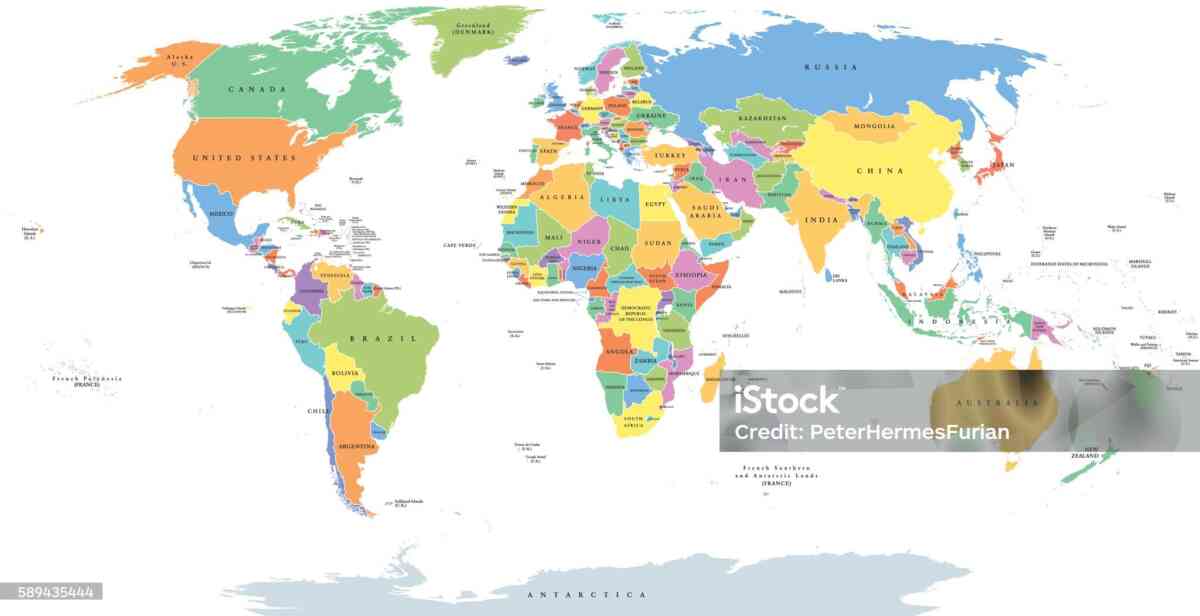
A Global Economic Map Monitor is more than just a financial dashboard. It is a sophisticated analytical platform that collects, processes, visualizes, and interprets global economic data. These systems help governments, investors, corporations, researchers, and traders understand worldwide economic conditions instantly.
As technology continues to evolve, the future of economic monitoring will become even more advanced. Artificial intelligence, predictive analytics, satellite monitoring, blockchain verification, and automated data analysis are transforming how economic intelligence is gathered and used.
This article explores the future of Global Economic Map Monitors, the technologies driving their evolution, and how they may reshape economic decision-making in the digital age.
The Digital Transformation of Economic Intelligence
Economic analysis has changed dramatically over the last two decades.
Traditional economic systems relied on:
- Delayed reports
- Manual calculations
- Static charts
- Historical analysis
Modern digital systems now provide:
- Real-time economic tracking
- Interactive visualizations
- AI-based forecasting
- Automated alerts
- Global data integration
The digital economy demands faster and more intelligent economic monitoring tools.
Big Data and Economic Monitoring
One of the biggest drivers of modern economic monitoring is big data.
What Is Big Data?
Big data refers to massive amounts of structured and unstructured information collected from various sources.
Economic monitors process data from:
- Financial markets
- Banking systems
- Retail transactions
- Shipping activity
- Mobile payments
- Social media
- Government reports
- Satellite imagery
These enormous datasets provide deeper insight into economic conditions.
Real-Time Processing
Advanced systems now process millions of data points every second.
This enables:
- Instant market analysis
- Rapid economic forecasting
- Immediate crisis detection
- Dynamic trend monitoring
Real-time processing is becoming a core feature of future economic monitors.
Artificial Intelligence and Machine Learning
Artificial intelligence is revolutionizing global economic monitoring.
Automated Pattern Detection
AI systems can identify patterns humans may miss.
For example, AI may detect:
- Early recession signals
- Supply chain bottlenecks
- Currency instability
- Inflation trends
Machine learning continuously improves these forecasts over time.
Predictive Economic Modeling
Future monitors will increasingly focus on forecasting rather than only reporting.
AI models will predict:
- GDP growth
- Consumer demand
- Commodity shortages
- Trade disruptions
- Financial crises
This predictive capability will become extremely valuable for businesses and governments.
Sentiment Analysis
AI can analyze public sentiment using:
- News articles
- Social media posts
- Corporate reports
- Political speeches
Economic sentiment often influences markets before official data changes.
Interactive Global Visualization
Visualization technology is becoming more advanced and immersive.
Dynamic Economic Maps
Future systems may display:
- Real-time trade routes
- Shipping congestion
- Energy flow networks
- Supply chain activity
- Currency movement patterns
Interactive maps will become increasingly detailed.
3D Economic Visualization
Some future systems may use 3D visualization technology to display global economic relationships more clearly.
Users could explore:
- Global investment flows
- Industrial production centers
- International logistics networks
This may improve strategic planning.
Augmented Reality and Virtual Reality
AR and VR technologies could allow users to interact with economic data in immersive environments.
For example:
- Analysts may explore economic simulations in virtual environments
- Businesses may visualize supply chains geographically
- Governments may simulate crisis scenarios
Satellite Data and Economic Monitoring
Satellite technology is becoming an important source of economic intelligence.
Tracking Industrial Activity
Satellites can monitor:
- Factory operations
- Shipping traffic
- Construction activity
- Energy infrastructure
These observations provide near real-time economic indicators.
Measuring Economic Growth
Researchers already use satellite nighttime light intensity to estimate economic activity in regions with limited official data.
Future monitors may integrate this automatically.
Agricultural Monitoring
Satellites help track:
- Crop conditions
- Droughts
- Weather patterns
- Food production
This is essential for commodity forecasting.
Blockchain and Data Transparency
Blockchain technology may improve economic monitoring reliability.
Transparent Data Verification
Blockchain systems can reduce data manipulation by creating transparent and immutable records.
Governments and institutions may use blockchain to publish verified economic statistics.
Trade and Supply Chain Tracking
Blockchain can improve transparency in:
- Shipping
- Trade finance
- Commodity tracking
- International transactions
Economic monitors may integrate blockchain data directly.
Climate Change and Economic Monitoring
Climate change is becoming a major economic factor.
Future economic monitors will likely track:
- Carbon emissions
- Renewable energy adoption
- Climate-related disasters
- Environmental risk exposure
Climate-economic analysis will become increasingly important for investors and policymakers.
The Rise of Smart Economies
Smart economies rely heavily on digital infrastructure and data-driven decision-making.
Global Economic Map Monitors will become central to:
- Smart cities
- Automated logistics
- Energy optimization
- Digital banking systems
Real-time economic intelligence will support automated economic management systems.
Financial Market Integration
Future monitors will provide deeper integration with financial markets.
Automated Trading Systems
AI-driven monitors may automatically execute trades based on economic signals.
Risk Monitoring
Advanced systems will track:
- Credit risk
- Liquidity stress
- Market volatility
- Capital flows
This may reduce financial instability.
Decentralized Finance Monitoring
As decentralized finance grows, economic monitors may track:
- Cryptocurrency adoption
- Blockchain transaction activity
- Stablecoin flows
- Digital asset risks
Digital finance is becoming part of the global economy.
Challenges Facing Future Economic Monitoring
Despite technological progress, several challenges remain.
Data Privacy
Large-scale data collection raises privacy concerns.
Governments and companies must balance transparency with data protection.
Cybersecurity Threats
Economic monitoring systems may become targets for cyberattacks.
Protecting economic infrastructure will be critical.
Information Manipulation
False information and manipulated data can distort economic analysis.
AI systems must verify source credibility carefully.
Overdependence on Automation
Excessive reliance on AI forecasting may create risks if models fail during unexpected events.
Human oversight will remain important.
Economic Monitoring and Global Stability
Better monitoring systems may improve global economic stability.
Early Crisis Detection
Advanced systems could identify recession risks before crises escalate.
Improved Policy Coordination
Governments may cooperate more effectively using shared economic intelligence.
Better Resource Allocation
Economic monitoring can improve efficiency in:
- Energy distribution
- Food supply
- Transportation networks
- Financial systems
The Role of Cloud Computing
Cloud technology enables economic monitoring platforms to scale globally.
Benefits include:
- Faster processing
- Lower costs
- Global accessibility
- Real-time synchronization
Cloud systems support modern economic intelligence infrastructure.
Economic Monitoring for Individuals
Economic monitoring tools are no longer limited to institutions.
Retail investors and individuals now access:
- Real-time market dashboards
- Currency heatmaps
- Commodity trackers
- Economic calendars
This democratization of information is changing investing and business worldwide.
Future Applications
Future Global Economic Map Monitors may support:
- AI investment assistants
- Automated corporate planning
- Real-time supply chain optimization
- Crisis simulation systems
- Climate-risk forecasting
- Smart government policy systems
The possibilities are enormous.
Why Economic Monitoring Will Continue Growing
Several trends ensure continued growth:
- Increasing globalization
- Faster financial markets
- Digital transformation
- Rising geopolitical complexity
- Climate-related economic risks
- Expansion of AI systems
Economic intelligence is becoming one of the most valuable resources in the world economy.
Conclusion
Global Economic Map Monitors are rapidly evolving into highly sophisticated intelligence systems capable of transforming economic analysis, business strategy, investment management, and government policy.
Powered by artificial intelligence, big data, cloud computing, satellite technology, and blockchain systems, these platforms provide real-time insight into the global economy. They help users identify opportunities, manage risk, forecast economic changes, and respond quickly to global events.
As the digital economy expands, economic monitoring will become even more essential. Governments, investors, businesses, and individuals will increasingly depend on advanced economic intelligence tools to navigate an increasingly complex world.
The future of Global Economic Map Monitors represents the future of economic decision-making itself—faster, smarter, more connected, and increasingly driven by real-time global data.

