nicole nielsen
Introduction
Energy is the foundation of the modern economy. Every product manufactured, every package shipped, every flight operated, and every mile driven depends on energy commodities such as crude oil, gasoline, diesel, heating oil, and natural gas. Because these commodities impact virtually every industry, their prices are among the most influential indicators in global finance.
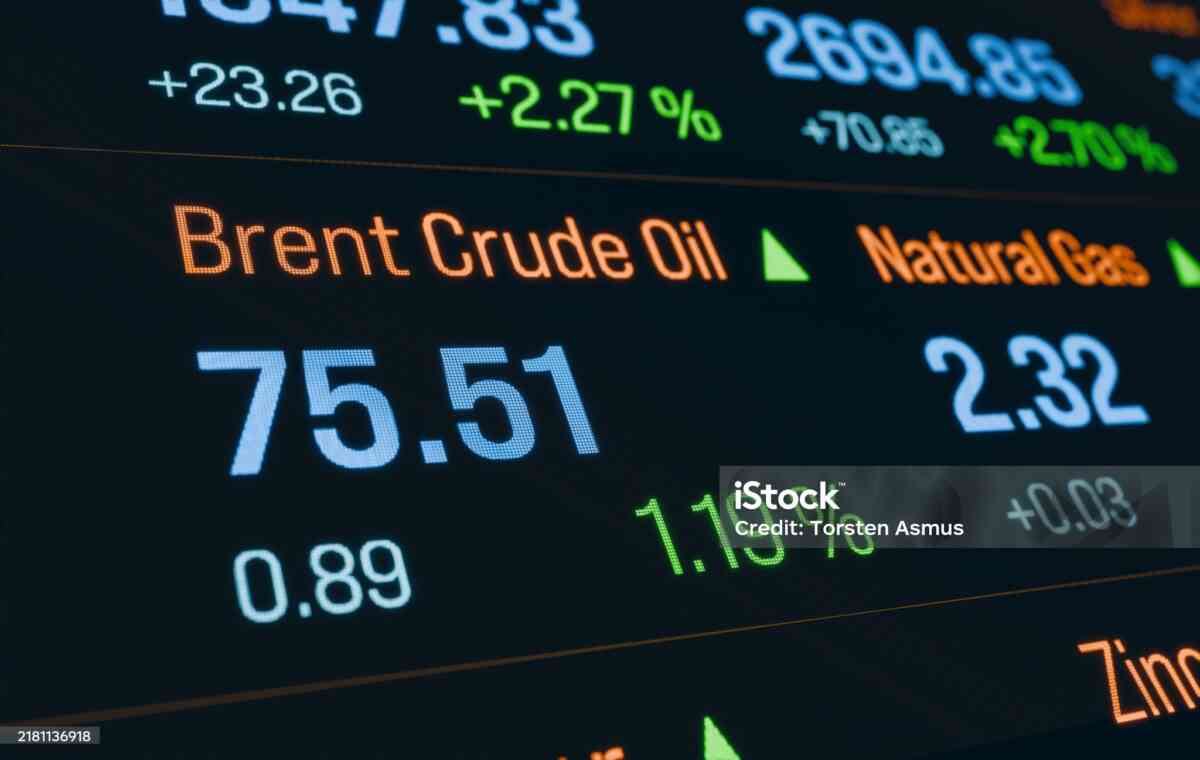
Today, thanks to advanced technology, investors, businesses, analysts, and consumers can access a Commodities Gas Oil Price Monitor Real Time platform that delivers live market information instantly. What was once reserved for institutional traders is now available to anyone with an internet connection.
However, most people use these monitoring tools only to observe prices. Professional investors and successful businesses use them differently. They transform real-time commodity data into strategic insights that improve decision-making, reduce risk, forecast economic trends, and create long-term wealth.
This comprehensive guide explores how to use a real-time gas and oil price monitor as a complete economic intelligence system rather than simply a pricing tool.
The Hidden Power of Energy Prices
Many people think energy prices only matter when filling a vehicle with gasoline.
In reality, energy prices influence:
- Inflation
- Interest rates
- Stock markets
- Bond markets
- Currency values
- Corporate profits
- Consumer spending
- Government policies
A sharp rise in oil prices can impact almost every sector of the economy.
For this reason, energy commodities often act as a leading indicator for broader economic conditions.
Understanding the Global Energy Ecosystem
A successful monitoring strategy begins with understanding how energy markets function.
The global energy ecosystem consists of:
Upstream Sector
Responsible for:
- Exploration
- Drilling
- Production
This sector produces crude oil and natural gas.
Midstream Sector
Responsible for:
- Transportation
- Pipelines
- Storage
- Distribution
Midstream infrastructure moves energy products worldwide.
Downstream Sector
Responsible for:
- Refining
- Processing
- Retail sales
Gasoline, diesel, jet fuel, and heating oil emerge from this stage.
A real-time monitor allows users to observe how developments in one sector affect the entire energy chain.
Why Real-Time Data Matters More Than Ever
In previous decades, commodity information traveled slowly.
Today:
- Markets operate globally.
- News spreads instantly.
- Algorithms react within milliseconds.
As a result, commodity prices can move dramatically in minutes.
Examples include:
- OPEC announcements
- Inventory reports
- Pipeline disruptions
- Natural disasters
- Geopolitical conflicts
Real-time monitoring allows users to respond immediately.
The Wealth-Building Mindset
Successful investors view commodity monitoring differently.
Rather than asking:
“What is oil doing today?”
They ask:
“What does oil tell me about the future?”
This shift transforms commodity monitoring from observation into strategic intelligence.
Energy prices often reveal:
- Future inflation trends
- Economic expansion
- Recession risks
- Supply shortages
- Consumer demand patterns
These insights can improve investment decisions across many asset classes.
Building an Energy Intelligence Dashboard
Professional market participants rarely rely on one data point.
Instead, they create comprehensive monitoring dashboards.
Key components include:
Live Crude Oil Prices
Track:
- Brent Crude
- WTI Crude
These benchmarks influence global energy markets.
Natural Gas Prices
Natural gas often responds differently from oil.
Monitoring both provides broader market insight.
Gasoline Prices
Reflect consumer demand and refinery conditions.
Diesel Prices
A critical indicator of freight activity and industrial production.
Inventory Data
Track:
- Crude inventories
- Gasoline inventories
- Distillate inventories
- Natural gas storage
Inventory trends often drive market direction.
Reading the Economic Signals Hidden in Energy Prices
Energy markets reveal valuable economic information.
Signal #1: Rising Oil Prices
May indicate:
- Growing demand
- Strong economic activity
- Expanding industrial output
Signal #2: Falling Oil Prices
May indicate:
- Weak demand
- Economic slowdown
- Reduced industrial activity
Signal #3: Rising Diesel Demand
Often suggests:
- Increased freight transportation
- Manufacturing growth
Signal #4: Natural Gas Price Surges
May indicate:
- Strong electricity demand
- Severe weather conditions
- Supply constraints
Understanding these signals improves economic forecasting.
Inflation Forecasting Through Energy Monitoring
Energy prices directly influence inflation.
Higher fuel costs increase expenses for:
- Transportation
- Manufacturing
- Agriculture
- Retail businesses
Those increased costs frequently reach consumers.
A real-time monitor allows users to identify inflation pressures before official data is released.
This can provide valuable investment insight.
Using Commodity Monitoring to Improve Investment Decisions
Energy data can strengthen portfolio management.
Equity Investing
Energy prices influence:
- Airline stocks
- Transportation stocks
- Industrial companies
- Energy producers
Monitoring commodities improves stock analysis.
Bond Investing
Inflation expectations often impact bond yields.
Commodity trends can provide early warnings.
Currency Trading
Major energy-exporting countries often experience currency movements linked to commodity prices.
Examples include:
- Canada
- Norway
- Saudi Arabia
Monitoring energy markets supports currency analysis.
The Role of OPEC
OPEC remains one of the most important organizations in energy markets.
Its decisions influence:
- Global supply
- Market sentiment
- Price expectations
Real-time monitoring helps users track:
- Production targets
- Compliance rates
- Policy changes
- Official statements
Understanding OPEC actions is essential for energy market analysis.
Tracking Global Demand
Demand drives long-term price trends.
Important demand indicators include:
Economic Growth
Growing economies consume more energy.
Manufacturing Activity
Factories require fuel and electricity.
Transportation Trends
More travel increases fuel demand.
Population Growth
Larger populations generally increase energy consumption.
A real-time monitor helps users evaluate these demand trends.
Supply Shock Analysis
Supply disruptions frequently create volatility.
Examples include:
Hurricanes
Pipeline Failures
Refinery Outages
Geopolitical Conflicts
Export Restrictions
Supply shocks often trigger rapid price movements.
Monitoring platforms provide immediate visibility into these events.
Advanced Technical Analysis
Technical analysis remains a valuable tool.
Important indicators include:
Moving Averages
Identify trend direction.
RSI
Measures momentum.
MACD
Evaluates trend strength.
Bollinger Bands
Assess volatility.
Fibonacci Retracements
Help identify support and resistance levels.
Combining technical analysis with real-time data improves market timing.
Building a Commodity Risk Management System
Monitoring alone is not enough.
A complete strategy includes risk management.
Key principles include:
Diversification
Avoid concentration risk.
Position Sizing
Control exposure.
Stop-Loss Strategies
Limit downside risk.
Scenario Planning
Prepare for unexpected events.
Risk management protects long-term success.
How Businesses Use Real-Time Monitoring
Businesses increasingly rely on commodity intelligence.
Airlines
Monitor jet fuel costs.
Trucking Companies
Track diesel prices.
Manufacturers
Forecast production expenses.
Agricultural Operations
Estimate fuel-related costs.
Logistics Providers
Manage transportation budgets.
Real-time monitoring supports strategic planning.
Artificial Intelligence and the Future of Commodity Analysis
Artificial intelligence is transforming energy markets.
Capabilities include:
Predictive Analytics
Forecast future price movements.
Pattern Recognition
Identify hidden relationships.
Sentiment Analysis
Evaluate market reactions to news.
Automated Alerts
Deliver instant notifications.
AI-driven systems will likely become standard tools for commodity analysis.
Building Long-Term Wealth Through Commodity Awareness
Commodity monitoring is not only for traders.
Long-term investors can benefit significantly.
Energy markets help investors:
- Understand inflation
- Identify economic cycles
- Evaluate risk
- Improve portfolio allocation
Monitoring commodities provides context that many investors overlook.
Common Mistakes That Limit Success
Many users fail to maximize monitoring tools.
Typical mistakes include:
Watching Prices Without Context
Prices alone rarely tell the full story.
Ignoring Supply and Demand
Fundamentals remain critical.
Overreacting to Headlines
Markets often overreact temporarily.
Neglecting Long-Term Trends
Short-term volatility can obscure larger opportunities.
Avoiding these mistakes improves decision quality.
The Future of Real-Time Commodity Monitoring
The next decade will bring major innovations.
Artificial Intelligence
More accurate forecasting models.
Machine Learning
Enhanced pattern detection.
Cloud Computing
Faster processing.
Big Data Analytics
Deeper market insights.
Predictive Dashboards
Actionable recommendations rather than raw data.
These advances will make monitoring systems increasingly powerful.
Creating Your Personal Energy Intelligence Framework
A practical framework includes:
Daily Review
Check overnight market activity.
Weekly Analysis
Review inventory reports and trends.
Monthly Assessment
Evaluate long-term patterns.
Quarterly Outlook
Update forecasts and strategies.
Annual Planning
Assess structural changes in energy markets.
Consistency produces better results than reacting emotionally to daily fluctuations.
Conclusion
A Commodities Gas Oil Price Monitor Real Time is far more than a live price tracker. It is a powerful economic intelligence platform capable of revealing trends that influence inflation, investment performance, business profitability, and global economic growth.
When combined with supply-demand analysis, inventory monitoring, technical indicators, geopolitical awareness, risk management, and long-term planning, real-time commodity data becomes a strategic asset. Investors can identify opportunities earlier, businesses can manage costs more effectively, and consumers can better understand the forces shaping everyday fuel and energy expenses.
As artificial intelligence, predictive analytics, and big data continue transforming the energy sector, real-time commodity monitoring will become even more valuable. Those who learn to interpret energy markets today will be better positioned to navigate tomorrow’s economic challenges and opportunities.

