cindy adams
Introduction
The modern world operates on a truly global schedule. Businesses collaborate across continents, financial markets move billions of dollars every minute, and remote teams work from virtually every time zone imaginable. In this environment, understanding and managing time differences is no longer a convenience—it is a necessity.
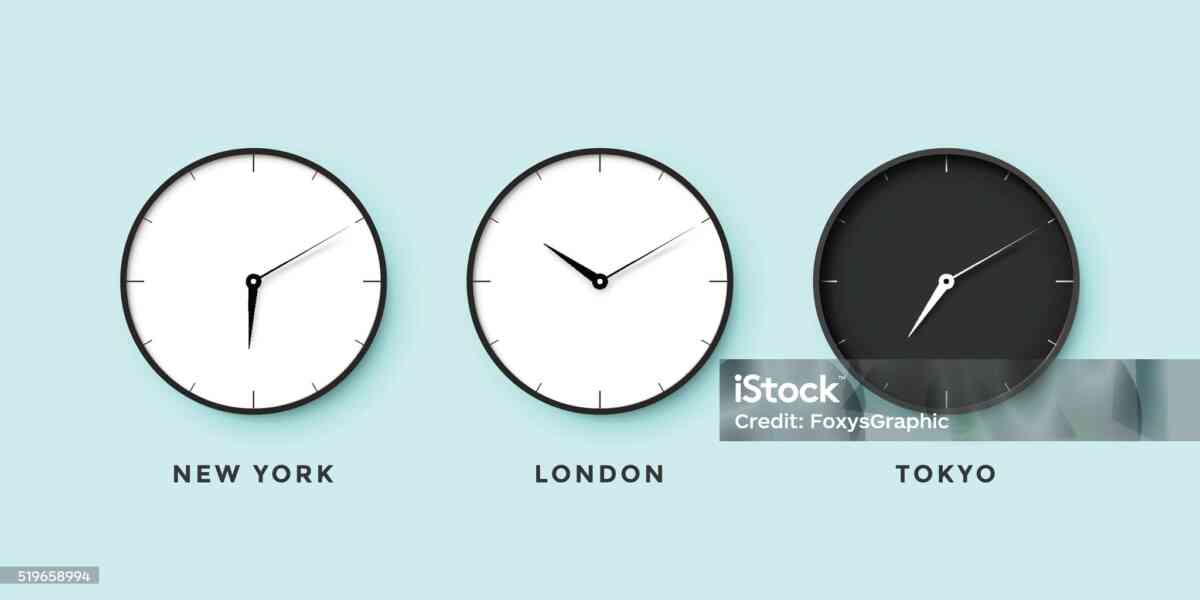
While many people think of a World Clock as a simple tool that displays the current time in different cities, professionals increasingly recognize it as a strategic productivity asset. A properly configured World Clock can improve communication, reduce scheduling conflicts, increase operational efficiency, and help organizations make faster, smarter decisions.
Whether you’re a business executive, freelancer, entrepreneur, trader, digital nomad, project manager, customer support specialist, or international traveler, mastering the advanced uses of World Clocks can dramatically improve your effectiveness.
This comprehensive guide explores advanced World Clock strategies and demonstrates how professionals around the world use them to gain a competitive advantage.
Chapter 1: Why Time Management Has Become a Global Challenge
The Rise of Globalization
In previous decades, most companies operated primarily within one country.
Today, organizations commonly have:
- International customers
- Overseas suppliers
- Remote employees
- Global partners
- Worldwide marketing campaigns
A business headquartered in New York may have:
- Developers in India
- Designers in Indonesia
- Customer support in the Philippines
- Sales teams in Europe
Without effective time coordination, communication quickly becomes difficult.
The Cost of Time Zone Mistakes
Time zone confusion creates real financial costs.
Common problems include:
- Missed meetings
- Delayed projects
- Customer dissatisfaction
- Reduced productivity
- Lost business opportunities
Even a single scheduling mistake can delay important projects by days or weeks.
World Clocks help eliminate these risks.
Chapter 2: Building a Professional World Clock Dashboard
Most people use a World Clock casually.
Professionals use it strategically.
Selecting Core Locations
Start with locations critical to your work.
Example dashboard:
- New York
- London
- Frankfurt
- Dubai
- Singapore
- Tokyo
- Sydney
This setup covers most major economic centers.
Grouping Cities by Function
Advanced users organize clocks according to business needs.
Leadership Team
- New York
- Chicago
- London
Development Team
- Bangalore
- Jakarta
- Manila
Customer Support
- Dublin
- Singapore
- Mexico City
This approach provides immediate visibility into team availability.
Color-Coding Working Hours
Many World Clock platforms allow custom colors.
Examples:
Green = Working hours
Yellow = Approaching end of workday
Red = Outside working hours
Visual indicators improve decision-making.
Chapter 3: World Clocks for Remote Teams
Remote work has fundamentally changed workforce management.
The Distributed Workforce
Modern teams often span:
- North America
- South America
- Europe
- Asia
- Australia
A World Clock becomes a central coordination tool.
Finding Overlapping Work Hours
One of the biggest remote-work challenges is identifying collaboration windows.
Example:
California: 9:00 AM
New York: 12:00 PM
London: 5:00 PM
Berlin: 6:00 PM
This overlap becomes the ideal meeting period.
Reducing Meeting Fatigue
World Clocks help managers schedule meetings fairly.
Benefits include:
- Better work-life balance
- Higher morale
- Increased participation
- Lower burnout
Chapter 4: Using World Clocks for International Meetings
The Scheduling Problem
Coordinating meetings across multiple countries can be extremely complex.
Without a World Clock:
- Manual calculations are required
- Errors become common
- Invitations may contain incorrect times
The Golden Overlap Strategy
Successful organizations identify a daily overlap period.
For example:
- New York
- London
- Dubai
May share several workable hours each day.
These windows become the preferred meeting times.
Meeting Rotation Systems
When teams span many time zones, fairness becomes important.
World Clocks help managers rotate meeting schedules so no single group consistently bears the inconvenience.
Chapter 5: World Clocks and Global Project Management
Project managers depend heavily on accurate time coordination.
Deadline Synchronization
Global deadlines must account for local times.
For example:
A project due Friday at 5 PM London time may be:
- Noon in New York
- 8 PM in Dubai
- 1 AM in Singapore
World Clocks ensure clarity.
Agile Development Teams
Software teams often operate continuously.
Developers in one region hand work off to another region.
This creates a 24-hour development cycle.
World Clocks help coordinate these transitions.
Managing Global Launches
Product launches frequently involve:
- Marketing
- Sales
- Engineering
- Customer support
Across multiple countries.
A World Clock becomes a mission-critical coordination tool.
Chapter 6: World Clocks in International Business
Executive Leadership
Global executives often oversee operations in numerous countries.
World Clocks help leaders:
- Schedule calls
- Review regional performance
- Coordinate announcements
- Manage crisis responses
International Sales
Sales professionals work across diverse markets.
Understanding local business hours improves:
- Response rates
- Meeting attendance
- Customer engagement
Global Marketing Campaigns
Marketing teams launch campaigns according to local time zones.
World Clocks ensure advertisements, emails, and social media posts reach audiences at optimal times.
Chapter 7: World Clocks for Financial Markets
Financial professionals rely heavily on timing.
Market Sessions
The global trading day follows major financial centers.
Sydney Session
Beginning of trading activity.
Tokyo Session
Strong Asian market participation.
London Session
Highest forex liquidity.
New York Session
Major market-moving events.
World Clocks provide instant visibility into market transitions.
Economic Announcements
Governments release economic data at specific times.
Examples:
- Employment reports
- Inflation data
- Interest rate decisions
Professional traders use World Clocks to prepare for market volatility.
Cryptocurrency Markets
Crypto trades 24/7.
Even so, activity varies based on regional participation.
World Clocks help identify periods of higher trading volume.
Chapter 8: Customer Support Operations
The 24/7 Support Model
Global companies often provide round-the-clock service.
Support centers may be located in:
- North America
- Europe
- Asia
World Clocks assist with shift coordination.
Workforce Scheduling
Managers can monitor:
- Shift changes
- Team availability
- Regional coverage
More effectively.
Service Level Agreements
Meeting customer response targets requires precise timing.
World Clocks improve operational awareness.
Chapter 9: World Clocks for Entrepreneurs
Entrepreneurs often wear multiple hats.
Managing Global Freelancers
Business owners frequently hire talent worldwide.
Examples include:
- Designers
- Writers
- Developers
- Virtual assistants
World Clocks simplify collaboration.
Coordinating International Vendors
Manufacturing and logistics often involve multiple countries.
Understanding local times accelerates communication.
Scaling Globally
As startups grow internationally, World Clocks become increasingly valuable.
Chapter 10: Digital Nomads and World Clocks
Digital nomads operate while traveling between countries.
Managing Clients Worldwide
Clients may remain in one country while the freelancer works elsewhere.
World Clocks help maintain reliable communication.
Tracking Home Time
Many travelers keep a clock for:
- Family
- Friends
- Business partners
Back home.
Staying Productive
Knowing exactly when clients are available reduces delays.
Chapter 11: World Clocks for Content Creators
Content creators increasingly serve international audiences.
YouTube Scheduling
Publishing videos at optimal times improves visibility.
Social Media Posting
World Clocks help identify peak audience activity.
Platforms include:
- TikTok
- X
Live Streaming
Creators use World Clocks to maximize global attendance.
Chapter 12: Cybersecurity and Global Operations
Security teams monitor systems continuously.
Follow-the-Sun Security
Many organizations operate:
- Americas Team
- Europe Team
- Asia Team
Each taking over monitoring duties as another region ends its workday.
Incident Response
World Clocks help identify available personnel quickly during emergencies.
Chapter 13: Aviation and Transportation
Airlines operate across dozens of time zones.
Flight Scheduling
Accurate time calculations are critical.
World Clocks help coordinate:
- Departures
- Arrivals
- Crew schedules
Logistics
Shipping companies track cargo worldwide.
Time awareness improves efficiency.
Chapter 14: Advanced Productivity Techniques
Time Blocking Across Time Zones
Professionals schedule tasks according to global availability.
Strategic Communication Windows
Messages are sent when recipients are most likely to respond.
Regional Priority Management
Managers can focus attention on regions currently active.
Continuous Workflow Optimization
Organizations create nearly 24-hour productivity cycles.
World Clocks make this possible.
Chapter 15: Avoiding Common Time Zone Mistakes
Ignoring Daylight Saving Time
DST changes frequently cause scheduling errors.
Modern World Clocks solve this automatically.
Assuming Local Time
Never assume recipients share your time zone.
Using Ambiguous Meeting Invitations
Always include:
- Date
- Time
- Time zone
Forgetting International Holidays
Time availability varies by country.
Combine World Clocks with holiday calendars for maximum accuracy.
Chapter 16: Future of Professional World Clocks
The next generation of World Clock technology will integrate:
Artificial Intelligence
AI may automatically recommend meeting times.
Predictive Scheduling
Systems could forecast participant availability.
Voice Assistants
Instant global time queries.
Smart Offices
Wall displays showing dynamic team availability.
Augmented Reality
Real-time overlays displaying global business activity.
These innovations will make international collaboration even more seamless.
Conclusion
World Clocks have evolved far beyond simple time displays. They now serve as powerful productivity tools that help organizations coordinate teams, manage projects, conduct international business, monitor financial markets, and support global customers.
In a world where success increasingly depends on effective cross-border collaboration, mastering World Clock strategies provides a significant advantage. Professionals who understand global time management communicate better, make faster decisions, reduce operational friction, and create stronger international relationships.
As businesses continue expanding globally and remote work becomes increasingly common, the importance of World Clocks will only grow. The professionals and organizations that leverage these tools effectively will be better positioned to thrive in the connected global economy of the future.

