alicia rose
Introduction
Determining the true value of a business is one of the most important challenges faced by entrepreneurs, investors, financial analysts, lenders, and corporate executives. Whether you are buying a company, selling a business, seeking investors, planning a merger, evaluating an acquisition, or measuring long-term growth potential, understanding business valuation is essential.
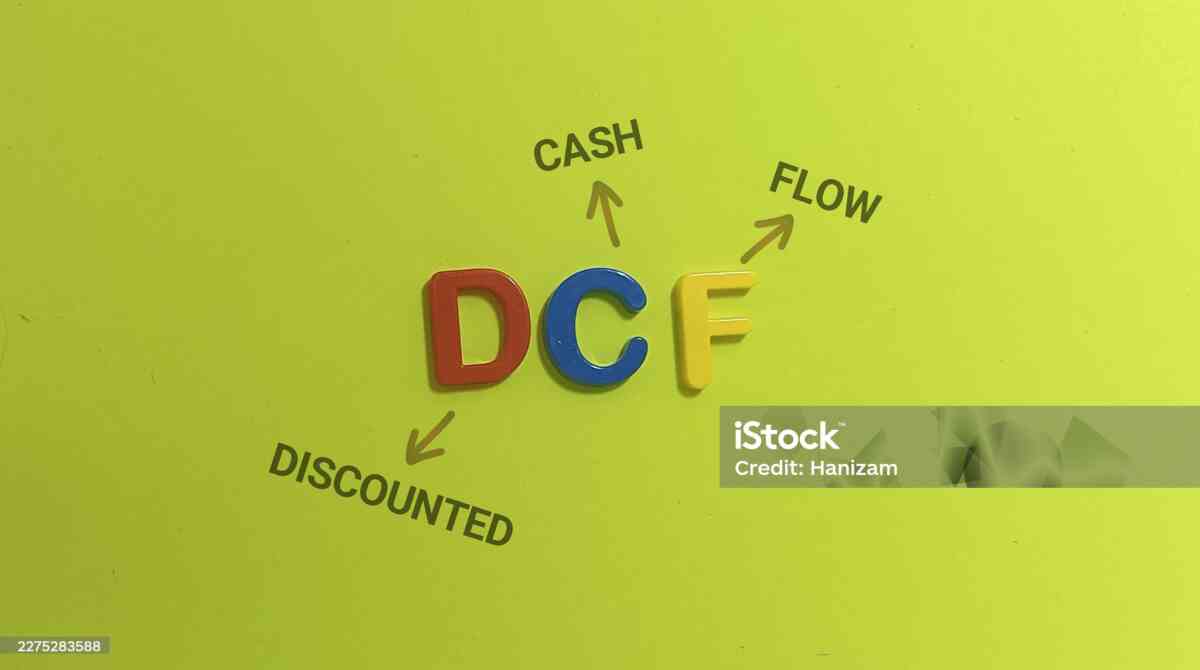
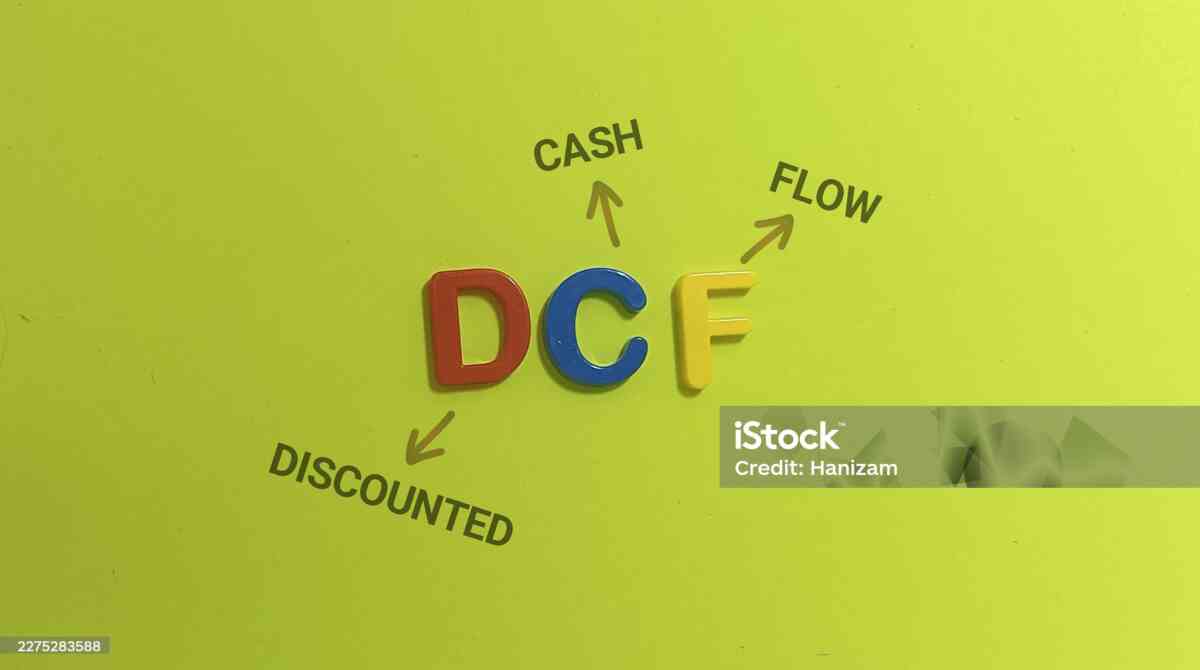
While there are many valuation methods available, the Discounted Cash Flow (DCF) approach remains one of the most respected and widely used techniques in modern finance.
The DCF method focuses on a simple but powerful principle:
A business is worth the present value of the future cash it can generate.
Unlike valuation methods that rely heavily on market comparisons, DCF attempts to estimate intrinsic value based on future performance. This makes it particularly useful for businesses with strong growth prospects, unique business models, or limited comparable companies.
A Free Discounted Cash Flow Calculator simplifies this process by automating complex calculations and helping users estimate business value using realistic financial assumptions.
This guide explores how to master business valuation using a DCF calculator, covering everything from forecasting cash flows and choosing discount rates to understanding terminal value and interpreting results.
What Is Business Valuation?
Business valuation is the process of determining the economic worth of a company.
Valuation is used in situations such as:
Buying a business
Selling a company
Attracting investors
Mergers and acquisitions
Partnership agreements
Estate planning
Tax reporting
Financial planning
Strategic decision-making
A reliable valuation helps stakeholders make informed decisions based on financial fundamentals.
Why Business Valuation Matters
Many business owners focus on revenue.
However, valuation depends on much more than sales.
Factors influencing value include:
Profitability
Cash flow
Growth potential
Competitive advantages
Industry conditions
Risk levels
Management quality
Capital structure
A business generating consistent cash flow is often worth significantly more than one generating similar revenue with lower profitability.
Understanding the Discounted Cash Flow Method
The DCF approach estimates business value by calculating the present value of expected future cash flows.
The underlying concept is the Time Value of Money.
Money received today has greater value than money received in the future because it can be invested and generate returns.
DCF adjusts future cash flows to account for this reality.
The Foundation of DCF Valuation
At its core, DCF uses the relationship between future cash flow and present value.
The standard valuation framework can be expressed as:
PV = CF ÷ (1 + r)^n
Where:
PV = Present Value
CF = Future Cash Flow
r = Discount Rate
n = Number of Years
Every future cash flow is discounted individually and combined to estimate business value.
What Is a Free DCF Calculator?
A Free Discounted Cash Flow Calculator automates the DCF process.
Instead of manually performing calculations, users simply enter:
Current cash flow
Growth assumptions
Discount rate
Forecast period
Terminal growth rate
The calculator then estimates intrinsic business value.
This saves time while improving consistency and accuracy.
Why DCF Is Popular Among Professionals
DCF remains one of the most widely used valuation methods because it focuses on business fundamentals.
Advantages include:
Based on cash generation
Forward-looking approach
Independent of market sentiment
Flexible assumptions
Suitable for various industries
Investment banks, private equity firms, venture capitalists, and corporate finance teams frequently use DCF analysis.
Understanding Free Cash Flow
Free Cash Flow (FCF) is one of the most important inputs in DCF valuation.
FCF represents cash available after operating expenses and capital expenditures.
Simplified formula:
Free Cash Flow = Operating Cash Flow − Capital Expenditures
Strong free cash flow often indicates financial strength.
Businesses with growing free cash flow generally command higher valuations.
Why Cash Flow Matters More Than Profit
Many investors mistakenly focus only on earnings.
However, profit does not always equal cash.
A company may report strong profits while struggling with cash generation.
Cash flow is often considered a more reliable measure of business performance.
DCF analysis emphasizes actual cash generation rather than accounting profits.
Step 1: Forecast Future Cash Flows
The first stage of DCF analysis involves forecasting future cash flows.
Forecast periods commonly include:
5 years
10 years
15 years
Analysts estimate future cash flow based on:
Historical performance
Revenue growth
Profit margins
Industry trends
Economic conditions
Realistic assumptions are critical.
Step 2: Estimate Growth Rates
Growth assumptions influence valuation significantly.
For example:
Current Free Cash Flow:
$500,000
Expected Growth:
8%
Projected Cash Flow:
Year 1: $540,000
Year 2: $583,200
Year 3: $629,856
Growth assumptions should reflect business reality.
Overly optimistic estimates can produce misleading valuations.
Step 3: Select a Discount Rate
The discount rate represents required return and investment risk.
Higher-risk businesses require higher discount rates.
Common factors affecting discount rates include:
Industry risk
Economic conditions
Business size
Competition
Financial leverage
Choosing the correct rate is one of the most important aspects of DCF valuation.
Understanding WACC
Many professionals use Weighted Average Cost of Capital (WACC) as the discount rate.
WACC reflects the average cost of financing through:
Equity
Debt
Businesses with stable operations often have lower WACC values.
Riskier companies typically have higher WACC values.
Step 4: Calculate Present Value
Each projected cash flow is discounted back to today’s value.
Future cash flows become less valuable the further they occur in the future.
The DCF calculator performs these calculations automatically.
This creates a series of discounted cash flow values.
Step 5: Calculate Terminal Value
Most businesses continue operating beyond the forecast period.
Terminal value estimates the value of all future cash flows after the explicit forecast period ends.
Terminal value often represents a substantial portion of total business valuation.
There are two common methods:
Perpetual Growth Method
Assumes ongoing growth forever.
Exit Multiple Method
Applies valuation multiples based on market comparisons.
Example of Business Valuation Using DCF
Suppose a company generates:
Current Free Cash Flow:
$1,000,000
Growth Rate:
7%
Forecast Period:
10 Years
Discount Rate:
10%
The DCF calculator projects future cash flows, discounts them, adds terminal value, and produces an estimated business valuation.
Investors can then compare this value against acquisition prices or market valuations.
DCF for Small Businesses
Small business owners can use DCF calculators to estimate company value.
Applications include:
Business sales
Succession planning
Investor negotiations
Strategic planning
DCF helps move valuation discussions beyond guesswork.
DCF for Startups
Startup valuation presents unique challenges.
Many startups have:
Limited operating history
Negative cash flow
High growth potential
DCF remains useful but requires careful assumptions.
Analysts often create multiple scenarios to account for uncertainty.
Scenario Analysis
Professional valuation models typically include:
Bear Case
Conservative assumptions.
Base Case
Expected outcome.
Bull Case
Optimistic assumptions.
Comparing multiple scenarios improves decision-making and risk assessment.
DCF and Mergers & Acquisitions
DCF plays a central role in mergers and acquisitions.
Buyers use DCF to determine:
Fair acquisition prices
Potential synergies
Investment returns
A well-constructed DCF model helps buyers avoid overpaying.
Comparing DCF to Other Valuation Methods
Price-to-Earnings Ratio
Simple but limited.
EV/EBITDA
Widely used for comparisons.
Asset-Based Valuation
Focuses on assets rather than future earnings.
DCF Valuation
Focuses on future cash generation.
Many analysts combine multiple methods for greater confidence.
Common DCF Valuation Mistakes
Unrealistic Revenue Growth
Excessive optimism inflates valuation.
Ignoring Competitive Risks
Future performance may change.
Incorrect Discount Rates
Small changes create large valuation differences.
Overestimating Terminal Value
Terminal assumptions should remain realistic.
Using Only One Scenario
Multiple scenarios improve reliability.
Benefits of a Free DCF Calculator
Saves Time
Complex calculations become automated.
Improves Accuracy
Reduces manual errors.
Enhances Decision-Making
Provides objective valuation estimates.
Supports Financial Planning
Useful for long-term strategic analysis.
Easy to Use
Modern calculators simplify sophisticated financial concepts.
Real-World Applications
DCF calculators are commonly used by:
Investors
Business owners
Venture capital firms
Private equity firms
Investment bankers
Corporate executives
Financial consultants
Accountants
The method remains a cornerstone of financial analysis.
Why Intrinsic Value Matters
Markets can become:
Overvalued
Undervalued
Irrational
Intrinsic value provides an independent estimate based on business fundamentals.
This helps investors focus on long-term economic value rather than short-term market fluctuations.
Frequently Asked Questions
What is a DCF calculator?
A financial tool that estimates present value using future cash flow projections and discount rates.
Is DCF suitable for all businesses?
It works best for businesses capable of generating predictable future cash flows.
Why is terminal value important?
It captures value beyond the forecast period.
What discount rate should I use?
The appropriate rate depends on business risk and cost of capital.
Is DCF accurate?
Results depend heavily on the quality of assumptions used.
Advanced Tips for Better DCF Valuation
To improve valuation accuracy:
Use conservative assumptions
Analyze industry trends
Review historical performance
Perform scenario analysis
Update forecasts regularly
Consider economic conditions
Evaluate competitive risks
The quality of inputs determines the quality of outputs.
Conclusion
Mastering business valuation with a Free Discounted Cash Flow Calculator provides a powerful advantage for investors, entrepreneurs, and financial professionals. By focusing on future cash generation and the time value of money, DCF analysis offers a structured and logical approach to estimating intrinsic value.
Although no valuation method is perfect, DCF remains one of the most respected techniques because it emphasizes business fundamentals rather than market speculation. Whether evaluating a startup, acquiring a company, attracting investors, planning a business sale, or making strategic decisions, a DCF calculator can transform complex financial analysis into practical insights.
The ultimate goal of valuation is not merely to produce a number—it is to understand the economic engine driving a business. A well-built DCF model helps reveal that value and supports better financial decisions for years to come.


