
broke lauren
Buying a new television can be surprisingly complicated. With dozens of screen sizes, resolutions, display technologies, and price points available, it is easy to focus on specifications while overlooking one of the most important factors: how far you sit from the screen.
A 65-inch TV may be perfect in one room and unnecessarily large in another. A 55-inch television may provide an excellent experience at one distance but appear too small from another.
The solution is to evaluate TV size and viewing distance together.
A TV Size and Viewing Distance Calculator is a convenient free tool that helps estimate suitable television sizes according to the distance between your eyes and the screen.
This guide explains how the calculation works, how resolution changes the equation, and how to choose a screen for bedrooms, apartments, living rooms, home theaters, gaming spaces, and other environments.
The Relationship Between TV Size and Viewing Distance
Television viewing is fundamentally visual.
What matters is not just how many inches the TV measures but how much of your field of vision the screen occupies.
A 75-inch TV viewed from 15 feet away can appear less immersive than a 55-inch TV viewed from 7 feet away.
Therefore, screen size and distance must be evaluated together.
A useful principle is:
The farther away you sit, the larger the screen generally needs to be for the same level of immersion.
Conversely:
The closer you sit, the smaller the screen can be while still appearing large.
Modern 4K televisions complicate the old rules slightly because their higher pixel density makes closer viewing practical.
What Does TV Size Actually Mean?
TV size refers to the diagonal measurement of the screen.
If you measure from the lower-left corner of the visible screen to the upper-right corner, the diagonal measurement is the television’s advertised size.
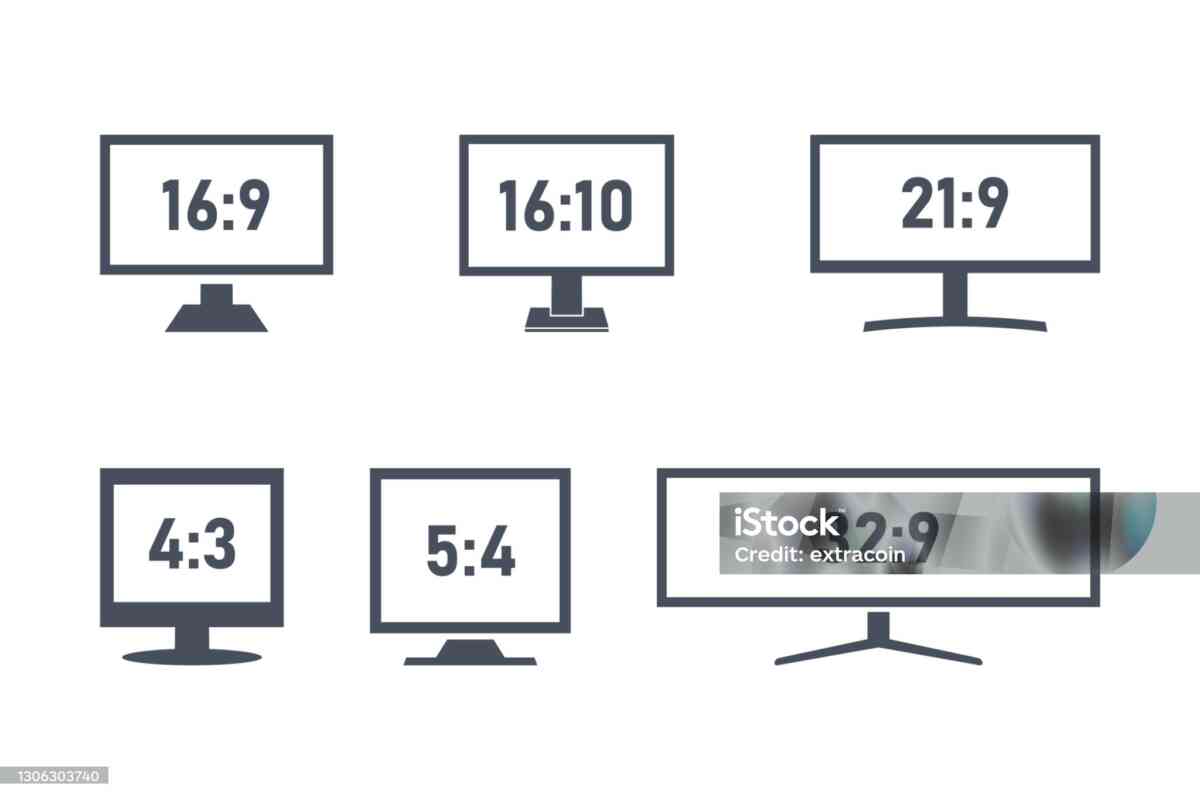
For a standard 16:9 television, approximate dimensions are:
| TV Size | Width | Height |
|---|---|---|
| 43″ | 37.5″ | 21.1″ |
| 50″ | 43.6″ | 24.5″ |
| 55″ | 47.9″ | 27.0″ |
| 65″ | 56.7″ | 31.9″ |
| 75″ | 65.4″ | 36.8″ |
| 85″ | 74.1″ | 41.7″ |
| 98″ | 85.4″ | 48.1″ |
These are approximate visible-screen dimensions. The complete television will usually be slightly larger because of bezels and chassis design.
The Basic TV Viewing Distance Formula
There is no single universal formula because viewing standards differ.
However, you can create a useful estimate using a viewing-distance factor.
For example:
Viewing Distance = Screen Diagonal × Factor
Suppose you choose a 65-inch TV.
Using a factor of 1.5:
65 × 1.5 = 97.5 inches
97.5 inches ÷ 12 = 8.125 feet.
Using a factor of 2:
65 × 2 = 130 inches
130 ÷ 12 = 10.83 feet.
Both calculations produce reasonable viewing distances under different preferences.
This is why online calculators should provide a range rather than pretending there is one universally correct number.
Why a Range Is Better Than a Single Number
Human vision and personal preference vary.
Two people sitting the same distance from the same television may prefer different screen sizes.
One person might say:
“The larger screen is more immersive.”
Another might say:
“I prefer a smaller image because it feels more comfortable.”
A calculator should therefore be viewed as a decision-support tool.
Use the result as a starting point and then consider your actual room.
Recommended TV Sizes by Distance
Here is a practical reference table for modern 4K televisions:
| Viewing Distance | Possible TV Sizes |
|---|---|
| 5–6 ft | 43–50″ |
| 6–7 ft | 50–55″ |
| 7–8 ft | 55–65″ |
| 8–10 ft | 55–75″ |
| 10–12 ft | 65–85″ |
| 12–14 ft | 75–98″ |
| 14–16 ft | 85–100″+ |
These are not strict requirements.
They illustrate how screen size can increase as seating distance increases.
Best TV Size for 6 Feet
At 6 feet, a 50- or 55-inch television may provide a strong balance between image size and comfort.
A 65-inch TV can also work for viewers who prefer a more immersive experience.
For competitive gaming, the preferred size may be different from a movie-watching setup.
Best TV Size for 8 Feet
Eight feet is a common viewing distance.
At this distance, consider:
- 55 inches
- 65 inches
- 75 inches
A 55-inch TV provides a relatively moderate experience.
A 65-inch TV offers more immersion.
A 75-inch TV creates a more cinematic image.
If you are unsure, physically marking each screen size on the wall can be extremely helpful.
Best TV Size for 10 Feet
At approximately 10 feet, 65–75 inches are common choices.
Some viewers may prefer an 85-inch television, especially for movies and sports.
A 55-inch screen may work, but it could appear less immersive from this distance.
Best TV Size for 12 Feet
At 12 feet, larger displays become more attractive.
Consider:
- 75 inches
- 85 inches
- 98 inches
If the room is large enough, a 98-inch display can create a powerful home-theater effect.
However, budget and wall dimensions become increasingly important.
TV Size for a Bedroom
Bedroom TV selection is different because the viewing distance is often shorter.
A 32-, 43-, or 50-inch television can work well depending on the room.
If the TV is placed at the foot of the bed, measure from your normal pillow position to the screen.
Do not assume that the bed-to-wall distance equals the viewing distance if the TV is mounted on an adjustable arm.
TV Size for an Apartment
Apartment living rooms often have limited wall and seating space.
Instead of automatically selecting a small TV, measure the distance from the sofa to the display.
A compact room can still support a relatively large TV if the seating position and wall dimensions work.
For many apartments, 50–65 inches provides a good range to investigate.
TV Size for a Large Family Room
Large family rooms often have multiple seating positions.
The challenge is making sure the television is visible from the main sofa, side chairs, and other frequently used locations.
Consider the farthest regular seating position.
If people frequently sit 13 feet away, selecting a TV solely based on someone sitting 8 feet away may result in a screen that is too small for the room.
TV Size for Home Theater
Home theater enthusiasts generally want a more immersive experience.
Large televisions can produce excellent results without the installation complexity of a projector.
For a dedicated theater room, consider:
- 75 inches
- 85 inches
- 98 inches
- Larger projection systems
A calculator can help estimate the relationship between screen size and seating distance, but theater enthusiasts should also consider viewing angle and seating rows.
TV Size for Sports
Sports broadcasts often contain small visual elements.
Scoreboards, statistics, player numbers, and captions can benefit from a larger display.
If several people watch sports together, screen size becomes even more important.
A larger screen can make the viewing experience more accessible to viewers sitting farther away.
TV Size for Gaming
Gaming is another area where screen size should be selected carefully.
A large screen is fantastic for immersive games.
However, competitive players may prefer a display that can be viewed without moving their eyes extensively.
Consider your gaming style:
Competitive Gaming
Prioritize:
- Appropriate viewing distance
- High refresh rate
- Low input latency
- Clear motion
- Comfortable field of view
Cinematic Gaming
Prioritize:
- Larger screen
- High resolution
- Strong HDR performance
- Immersion
- Viewing comfort
How Resolution Changes the Calculation
Resolution determines how much detail is packed into the display.
A 4K television has a much higher pixel count than a 1080p display.
As a result, you can sit closer to a 4K screen before individual pixels become noticeable.
This is one reason older advice such as “sit very far away from a large TV” may not apply perfectly to current televisions.
4K TV Viewing Distance
4K televisions are especially flexible.
You can select a large screen and sit relatively close without necessarily seeing pixel structure.
This makes 65-, 75-, and 85-inch TVs practical in rooms that might previously have been considered too small for such displays.
8K TV Viewing Distance
8K increases pixel density further.
However, the practical benefit of 8K depends on:
- Screen size
- Viewing distance
- Content quality
- Source resolution
- Vision
- Upscaling
- Personal preference
Buying 8K solely because the calculator recommends sitting closer is not necessarily justified.
Field of View
Field of view is one of the most useful concepts for understanding TV size.
Imagine sitting on your sofa and looking at the TV.
The larger the TV appears in your vision, the larger its viewing angle.
A larger viewing angle generally creates greater immersion.
A smaller viewing angle can feel more relaxed and less cinematic.
Neither is automatically superior.
The correct choice depends on what you want.
Why Movies Often Benefit From Larger Screens
Movies are designed to create an immersive visual experience.
A large screen can make cinematic compositions more impressive.
Wide landscapes, action sequences, detailed environments, and dramatic close-ups all benefit from a substantial display.
For this reason, movie enthusiasts often prefer the larger end of the recommended screen-size range.
Why News and General TV May Need Less Immersion
For everyday television, news, talk shows, and casual viewing, you may not need the largest possible screen.
A moderate screen can be easier to integrate into the room.
This does not mean a large TV is inappropriate. It simply means your content preferences should influence your decision.
TV Size and Wall Space
Viewing distance is not the only constraint.
Measure the wall.
A 98-inch television may be appropriate from a viewing-distance perspective but physically overwhelming on a small wall.
Before buying, calculate:
Available Wall Width − TV Width = Remaining Horizontal Space
Do the same for vertical clearance.
Consider:
- Doors
- Windows
- Shelves
- Cabinets
- Wall decorations
- Speakers
- Soundbars
TV Size and TV Stand Width
If you are not wall-mounting, measure the TV stand.
Large TVs may have legs positioned far apart.
A cabinet that appears large enough may not support the television’s feet.
Always check the manufacturer’s dimensions before purchasing.
TV Size and Soundbars
A soundbar can influence your setup.
A very large TV mounted close to a cabinet may leave limited space for a soundbar.
Measure the distance between the bottom of the display and the furniture.
If the television is wall-mounted, consider both the soundbar’s height and the TV’s mounting position.
Should You Buy a Bigger TV?
There is a common tendency to underestimate how large a television should be.
A TV may look enormous in a store but surprisingly normal at home.
This happens because showroom environments often have different ceiling heights, viewing distances, lighting, and surrounding displays.
Therefore, don’t select a television solely because it looks large in the store.
Measure first.
The Tape-on-the-Wall Test
One of the simplest ways to preview TV size is to use painter’s tape.
Suppose you are considering a 65-inch TV.
Calculate approximately:
- Width: 57 inches
- Height: 32 inches
Mark that rectangle on your wall.
Then repeat for 75 inches.
Step back and sit in your normal viewing position.
This simple experiment can reveal a lot.
Using a TV Calculator Before Shopping
A free TV Size and Viewing Distance Calculator can make this process easier.
Enter:
- Viewing distance
- Preferred TV resolution
- Current TV size, if applicable
- Desired immersion level
Then compare the recommended range with actual TV models.
This approach is more reliable than simply asking friends what size they bought.
A Practical Decision Process
Use this five-step process.
Step 1: Measure Your Viewing Distance
Record the distance in feet or inches.
Step 2: Determine Your Main Content
Do you primarily watch:
- Movies?
- Sports?
- Gaming?
- Streaming?
- News?
- General TV?
Step 3: Identify Your Resolution
4K is a common choice for modern larger displays.
Step 4: Calculate a Screen Range
Don’t focus on one exact size.
Compare two or three sizes.
Step 5: Check Physical Dimensions
Confirm that the television fits your wall, stand, and room.
Frequently Asked Questions
What TV size should I get for 7 feet?
A 55- or 65-inch TV is a practical range to investigate.
Is 75 inches too big at 8 feet?
It can work well for viewers who want strong immersion, particularly with a high-resolution display.
What size TV is best at 10 feet?
65–75 inches is a useful starting range, although 85 inches may appeal to viewers who prefer a larger image.
Is a bigger TV always better?
No. The best TV balances viewing distance, comfort, room size, content, budget, and personal preference.
Does screen resolution matter?
Yes. Higher resolution generally supports closer viewing of larger displays.
How should I measure viewing distance?
Measure from your normal eye position while seated to the front surface of the screen.
Should I calculate for the nearest or farthest seat?
For a shared room, evaluate both. The farthest regular seat is particularly important when determining whether the display will be large enough.
Final Conclusion
Selecting a TV should not begin with a television catalog.
It should begin with your room.
Measure where you sit. Measure your wall. Determine how you use your television. Then use a TV Size and Viewing Distance Calculator to establish a practical screen-size range.
For many modern 4K setups, larger televisions can be viewed comfortably from surprisingly close distances. That makes 65-, 75-, and 85-inch displays realistic options in rooms where older guidelines might have suggested much smaller screens.
The goal is not to find a universally “correct” television size.
The goal is to find the size that feels right from your seat, in your room, for the content you actually watch.
A few measurements before shopping can help you avoid both major mistakes: buying a TV that overwhelms the room or buying one that looks disappointingly small after installation.


