Jessy obrien
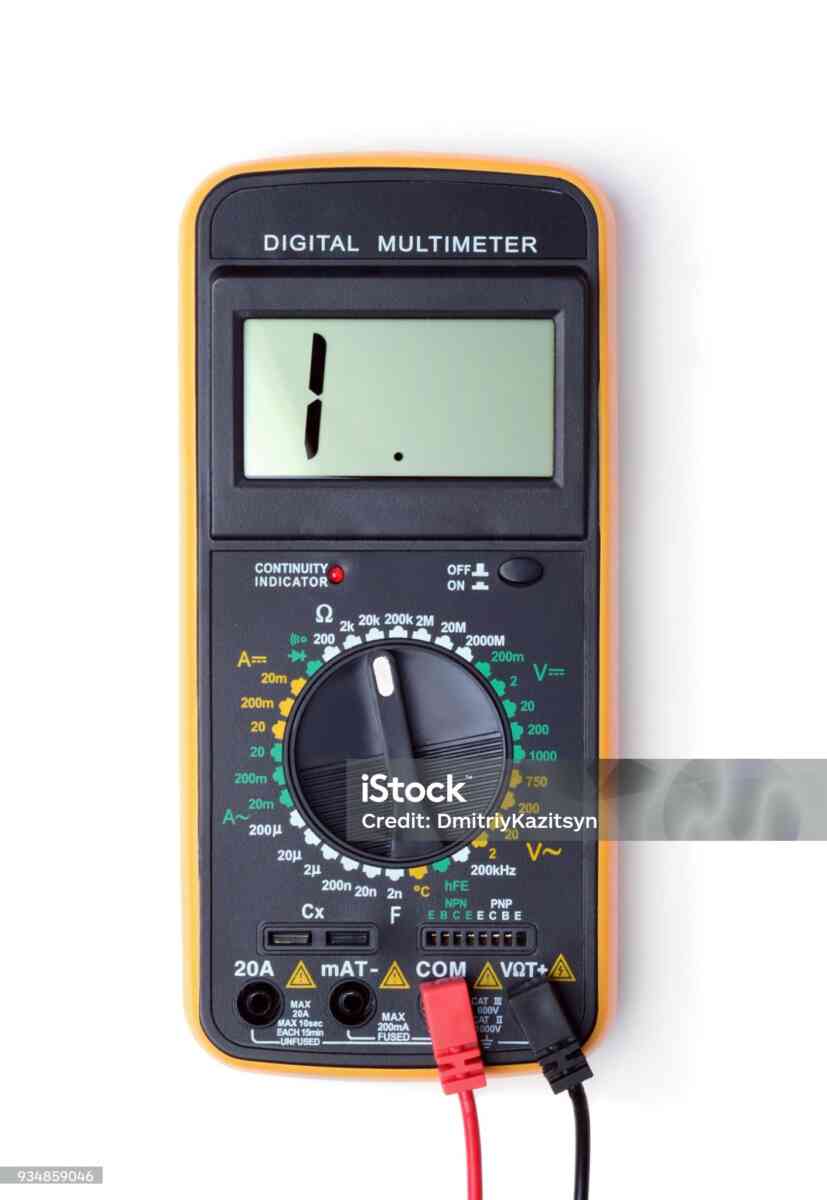
FREE TOOLS Kilovolt-Amps to Watts Calculator
Electrical power calculations can become confusing because electrical equipment uses several different units, including watts, kilowatts, volt-amperes, and kilovolt-amperes.
One of the most common questions is:
How do you convert kVA to watts?
The answer depends on the power factor.
A Kilovolt-Amps to Watts Calculator simplifies this process by automatically applying the correct relationship between apparent power and real power.
The fundamental formula is:
W = kVA × 1,000 × PF
where:
- W = watts
- kVA = kilovolt-amperes
- PF = power factor
Understanding Electrical Power Units
Before converting kVA to watts, it helps to understand the major electrical power units.
Watts
Watts represent real electrical power.
Kilowatts
Kilowatts are thousands of watts.
1 kW = 1,000 W
Volt-Amperes
Volt-amperes represent apparent power.
Kilovolt-Amperes
Kilovolt-amperes represent thousands of volt-amperes.
1 kVA = 1,000 VA
These units are related but should not be treated as interchangeable.
Apparent Power vs Real Power
The easiest way to understand kVA and watts is to distinguish between apparent and real power.
Apparent Power
Apparent power is the product of voltage and current:
VA = V × A
For larger systems:
kVA = (V × A) ÷ 1,000
Real Power
Real power is the power actually consumed or converted into useful work.
For AC systems:
W = VA × PF
Combining these relationships gives:
W = kVA × 1,000 × PF
What Is Power Factor?
Power factor is a dimensionless value that indicates the relationship between real power and apparent power.
The formula is:
PF = W ÷ VA
Power factor typically ranges from 0 to 1 for ordinary AC load calculations.
A higher power factor means a greater portion of apparent power is being converted into real power.
For example:
A system with:
100 kVA
and:
PF = 0.9
has:
90 kW
of real power.
Why Power Factor Changes the Result
Consider two systems that are both rated at 50 kVA.
System A:
PF = 1
System B:
PF = 0.7
System A:
50 × 1,000 × 1 = 50,000 W
System B:
50 × 1,000 × 0.7 = 35,000 W
Both have the same apparent power, but their real power differs substantially.
kVA to Watts Formula Explained
The formula can be broken into two steps.
First:
kVA × 1,000 = VA
Second:
VA × PF = W
Therefore:
kVA × 1,000 × PF = W
This is the formula used by a standard kVA-to-watts calculator.
Example: Convert 2 kVA to Watts
Assume:
- kVA = 2
- PF = 0.8
Calculation:
2 × 1,000 × 0.8 = 1,600 W
Answer:
2 kVA at 0.8 PF = 1,600 watts
Example: Convert 7.5 kVA to Watts
Suppose:
- kVA = 7.5
- PF = 0.8
Calculation:
7.5 × 1,000 × 0.8
= 6,000 W
Therefore:
7.5 kVA = 6,000 W at PF 0.8
Example: Convert 15 kVA to Watts
At PF 0.9:
15 × 1,000 × 0.9
= 13,500 W
Therefore:
15 kVA at 0.9 PF = 13,500 W
Example: Convert 50 kVA to Watts
At PF 0.8:
50 × 1,000 × 0.8
= 40,000 W
Therefore:
50 kVA at 0.8 PF = 40,000 watts
Example: Convert 100 kVA to Watts
At PF 0.8:
100 × 1,000 × 0.8
= 80,000 W
Therefore:
100 kVA at 0.8 PF = 80,000 W
or:
80 kW
Quick kVA to Watts Chart
| Apparent Power | PF 0.7 | PF 0.8 | PF 0.9 | PF 1 |
|---|---|---|---|---|
| 2 kVA | 1,400 W | 1,600 W | 1,800 W | 2,000 W |
| 5 kVA | 3,500 W | 4,000 W | 4,500 W | 5,000 W |
| 10 kVA | 7,000 W | 8,000 W | 9,000 W | 10,000 W |
| 15 kVA | 10,500 W | 12,000 W | 13,500 W | 15,000 W |
| 25 kVA | 17,500 W | 20,000 W | 22,500 W | 25,000 W |
| 50 kVA | 35,000 W | 40,000 W | 45,000 W | 50,000 W |
| 100 kVA | 70,000 W | 80,000 W | 90,000 W | 100,000 W |
kVA to Watts for a Generator
Generators are among the most common applications for kVA-to-watts conversions.
Suppose a generator is rated:
30 kVA
and the specified power factor is:
0.8
Then:
30 × 1,000 × 0.8 = 24,000 W
So its real power rating is:
24 kW
This distinction is essential when determining whether a generator can support a particular load.
Choosing a Generator Based on Watts
Suppose your equipment requires approximately:
18,000 W
If the generator operates at a power factor of 0.8, the approximate kVA requirement is:
kVA = W ÷ (1,000 × PF)
Therefore:
18,000 ÷ (1,000 × 0.8)
= 22.5 kVA
A generator with a suitable capacity above this requirement may therefore be considered, subject to starting currents, continuous-duty requirements, environmental conditions, and manufacturer specifications.
kVA to Watts for UPS Systems
UPS systems often use both kVA and kW ratings.
For example:
15 kVA UPS
with a power factor of:
0.9
would correspond to:
15 × 1,000 × 0.9 = 13,500 W
However, users should check the UPS manufacturer’s specified kW rating instead of relying solely on a generic conversion.
kVA to Watts for Transformers
A transformer rated at:
500 kVA
has an apparent power capacity of:
500,000 VA
If the load operates at PF 0.8:
500,000 × 0.8 = 400,000 W
Therefore:
500 kVA at PF 0.8 = 400 kW
The transformer’s actual loading must still be evaluated according to its design, voltage, current, temperature, installation conditions, and applicable standards.
Three-Phase kVA to Watts
Three-phase systems use the same fundamental relationship between apparent power and real power:
W = kVA × 1,000 × PF
If kVA is already known, phase count does not need to be inserted again into this particular conversion.
For example:
100 kVA × 1,000 × 0.8 = 80,000 W
The three-phase nature of the system matters when calculating kVA from voltage and current, but not when converting an already-known kVA value to watts.
Single-Phase kVA to Watts
For a single-phase system, once kVA and power factor are known:
W = kVA × 1,000 × PF
For example:
5 kVA × 1,000 × 0.9 = 4,500 W
Again, the key factor is whether the given kVA represents the actual apparent power of the system.
Reverse Conversion: Watts to kVA
The formula can also be reversed.
Starting with:
W = kVA × 1,000 × PF
we obtain:
kVA = W ÷ (1,000 × PF)
For example, suppose a system consumes:
12,000 W
at:
PF = 0.8
Then:
kVA = 12,000 ÷ 800
= 15 kVA
Why Use a Free Online Calculator?
A free calculator offers several benefits.
Speed
You can calculate the result immediately.
Accuracy
The calculator handles multiplication and unit conversion automatically.
Convenience
You do not need a separate spreadsheet or calculator app.
Education
Students can enter different values to understand how power factor affects the result.
Practical Planning
Technicians can perform preliminary estimates when evaluating equipment capacity.
Is kVA Higher Than Watts?
Numerically, apparent power in VA is normally greater than or equal to real power in watts for a conventional AC system because power factor is generally no greater than 1.
For example:
10 kVA = 10,000 VA
At PF 0.8:
10,000 VA × 0.8 = 8,000 W
Thus:
10,000 VA > 8,000 W
At PF 1:
10,000 VA = 10,000 W
How Accurate Is a kVA-to-Watts Calculator?
The mathematical conversion can be very accurate when the input values are accurate.
However, the result depends on:
- Correct kVA rating
- Correct power factor
- Appropriate equipment specifications
- Operating conditions
- Measurement accuracy
An online calculator provides a mathematical result, not a replacement for professional electrical assessment.
FAQ
What is the formula for converting kVA to watts?
Watts = kVA × 1,000 × power factor
How many watts are in 1 kVA?
At PF 1:
1 kVA = 1,000 W
At PF 0.8:
1 kVA = 800 W
What is 10 kVA in watts at 0.8 PF?
10 × 1,000 × 0.8 = 8,000 W
What is 25 kVA in watts at 0.8 PF?
25 × 1,000 × 0.8 = 20,000 W
What is 50 kVA in watts at 0.9 PF?
50 × 1,000 × 0.9 = 45,000 W
Does phase affect kVA-to-watts conversion?
If kVA is already known, the direct conversion is:
W = kVA × 1,000 × PF
Phase configuration is important when calculating kVA from voltage and current.
Conclusion
Converting kVA to watts is straightforward when the power factor is known.
The key formula is:
W = kVA × 1,000 × PF
A free Kilovolt-Amps to Watts Calculator can make the calculation quick and convenient, especially when working with generators, UPS systems, transformers, motors, and electrical equipment.
For professional electrical projects, always verify the result against equipment documentation and applicable electrical requirements.


