Here are 10 unique habits that Danish people often do, reflecting their culture, values, and lifestyle:
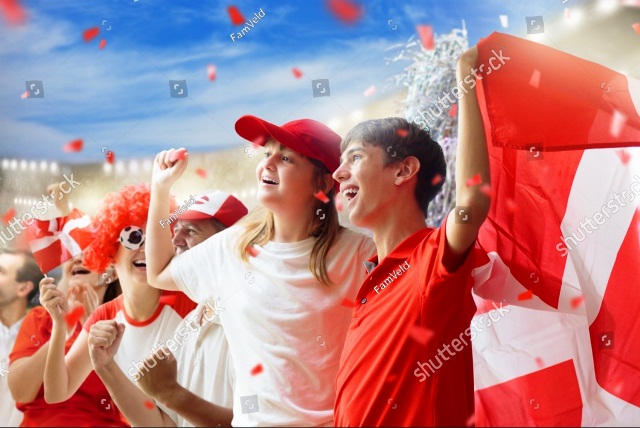
🇩🇰 Top 10 Unique Habits of Danish People
- Practicing “Hygge” (Cozy Living)
- Danes embrace hygge, a concept centered around coziness, comfort, and well-being—often with candles, warm drinks, and time with loved ones.
- It’s more than décor—it’s a lifestyle emphasizing contentment and simplicity.
- Biking Everywhere 🚲
- Cycling is a primary mode of transport, even in winter. Cities like Copenhagen have more bikes than cars and world-class biking infrastructure.
- Trusting Strangers
- Denmark is known for its high trust society. It’s common to see babies left in strollers outside cafés or stores while parents shop inside.
- Leaving Work on Time (Work-Life Balance)
- Danish culture prioritizes a healthy work-life balance. Most people leave work at 4 PM to spend time with family or pursue hobbies.
- Celebrating Flag Days 🇩🇰
- Danes proudly display their national flag (Dannebrog) during birthdays, holidays, or even casual events—often as decorations on cakes and gift wrapping.
- Using Candles Year-Round 🕯️
- Denmark burns more candles per capita than almost any other country. Candles are used daily to create a warm, hyggelig atmosphere, even in summer.
- Drinking Lots of Coffee ☕
- Danes are among the top coffee consumers in the world. Coffee is enjoyed socially or at home, typically without fancy options—just strong and black.
- Celebrating Sankt Hans Aften (Midsummer Bonfires) 🔥
- On June 23rd, Danes celebrate the summer solstice with huge bonfires and songs—sometimes with an effigy of a “witch” on top symbolically burned to ward off evil.
- Minimalist and Functional Design
- Danish homes and offices often reflect a clean, minimalist style with practical furniture—showcasing the global influence of Danish design like that of Arne Jacobsen or HAY.
- Prioritizing Social Equality and Community
- Danish people value social cohesion and fairness. There’s a strong sense of collective responsibility, reflected in their generous welfare system and egalitarian culture.
🇩🇰 Practicing “Hygge” – The Danish Art of Cozy Living
Hygge (pronounced hoo-gah) is a deeply rooted Danish cultural concept that doesn’t translate perfectly into English, but roughly means coziness, comfort, and contentment, especially in simple, everyday moments.
🔍 What Is Hygge?
Hygge is about:
- Creating a warm atmosphere
- Enjoying the present moment
- Finding joy in simple pleasures
- Spending quality time with loved ones
It’s not about luxury—it’s about feeling safe, comfortable, and emotionally nourished.
🕯️ Typical Hygge Activities
Here are some things Danes do to bring hygge into their daily lives:
| Activity | Description |
|---|---|
| Lighting candles | Candles are a must. Soft, warm light creates a calm atmosphere. |
| Wearing warm socks or knitwear | Cozy clothing, like wool sweaters or blankets, enhances comfort. |
| Sharing a home-cooked meal | Eating together with family or friends, especially comfort food. |
| Reading a book or watching movies | Quiet indoor activities with tea or hot chocolate nearby. |
| Gathering by the fireplace | A fire is the ultimate hygge setting in wintertime. |
| Spending time in nature | Walking in a forest or by the sea, then warming up inside. |
🧠 Hygge Mindset
- Gratitude: Appreciate the moment.
- Presence: Disconnect from stress, focus on now.
- Simplicity: Less about things, more about feelings.
📅 When Is Hygge Most Common?
While hygge is a year-round mindset, it becomes extra important in winter when the days are dark and cold. Danes intentionally create hygge to fight seasonal gloom.
💬 Fun Fact
Even workplaces and schools in Denmark may have hygge-friendly environments—like comfy corners, coffee breaks, and candle-lit common areas.
🚲 Biking Everywhere – A Way of Life in Denmark
In Denmark, biking isn’t just a hobby—it’s a core part of daily life, culture, and identity. Whether commuting to work, shopping for groceries, or picking up kids, bicycles are the go-to transportation for millions of Danes.
🏙️ Why Is Biking So Popular in Denmark?
| Reason | Description |
|---|---|
| Flat Terrain | Denmark’s landscape is mostly flat, perfect for easy biking. |
| Dedicated Bike Lanes | Cities like Copenhagen have separate, wide, safe bike lanes, often with their own traffic lights. |
| Bike-Friendly Laws | Cyclists have strong legal protections and are treated as full road users. |
| Green Mindset | Danes are environmentally conscious and prefer sustainable, non-polluting transport. |
| Cost & Convenience | Biking is cheaper than cars or public transit—and often faster in urban areas. |
🚴 Fun Biking Facts
- Copenhagen has been ranked #1 most bike-friendly city in the world multiple times.
- There are more bicycles than people in Denmark.
- Over 75% of Danes cycle at least once a week.
- Children bike to school from a young age—even in rain or snow.
🧒 Types of Bicycles You’ll See in Denmark
| Type | Common Use |
|---|---|
| City Bikes | Standard commuter bikes used by students and workers. |
| Cargo Bikes (Ladcykel) | Used by parents to carry kids, groceries, even pets! |
| Electric Bikes (E-bikes) | Increasingly popular for longer commutes or older cyclists. |
❄️ Even in Winter?
Yes! Danes bike year-round, even during snow, rain, and wind. Cities clear bike paths before roads in the winter, emphasizing their priority.
📐 Cultural Symbolism
In Denmark, biking symbolizes:
- Equality (rich or poor, everyone bikes)
- Simplicity
- Freedom
- Environmental responsibility
🤝 Trusting Strangers – A Unique Danish Cultural Trait
One of the most remarkable and unique habits in Denmark is the high level of trust people have in each other—even among strangers. This trust-based culture influences daily life, parenting, business, and government.
🧠 What Does “Trust” Look Like in Denmark?
| Habit / Example | What It Shows |
|---|---|
| Leaving babies in strollers outside cafés or shops | Parents trust the community to keep their children safe. |
| Unattended bikes and belongings | Many people leave bikes unlocked or laptops at cafés without worry. |
| No security guards in stores | Self-checkout is common, with the assumption people won’t steal. |
| Public honesty | Lost wallets or phones are usually turned in, not taken. |
| No fences around homes | Private property boundaries are respected, even if open. |
🌍 Why Is Danish Society So Trusting?
| Factor | Explanation |
|---|---|
| Strong social welfare system | Reduces desperation or inequality that may lead to crime. |
| Low corruption levels | People trust institutions because leaders are generally honest. |
| High education levels | Civic education and mutual respect are emphasized. |
| Small, cohesive society | Denmark has a relatively homogenous population with strong community values. |
📈 Trust by the Numbers
- Denmark consistently ranks in the top 3 globally for “social trust” according to OECD and World Values Survey data.
- 75%+ of Danes believe “most people can be trusted,” compared to 30% in the U.S. or 10–20% in some developing countries.
🧒 Raising Children in a Trust Culture
Danish children are taught from a young age:
- To be independent
- To trust others (but use common sense)
- That community and honesty matter more than competition
This creates a cycle of trust passed through generations.
⚠️ Is Denmark Crime-Free?
No place is completely crime-free, but crime rates in Denmark are among the lowest in the world. The strong social contract discourages anti-social behavior.
⏰ Leaving Work on Time – Denmark’s Strong Work-Life Balance Culture
In Denmark, leaving work at 4:00 PM or earlier is completely normal—and not a sign of laziness. In fact, Danish work culture emphasizes efficiency, not long hours, and protects personal time as a fundamental right.
💼 How the Danish Workday Looks
| Time | Activity |
|---|---|
| 8:00–9:00 AM | Most people start work early. |
| 12:00 PM | Short, casual lunch break (usually 30 minutes). |
| 3:30–4:30 PM | Most employees head home. |
Working overtime is rare and discouraged. Staying late often signals poor time management, not dedication.
🔄 Why This System Works
| Factor | Explanation |
|---|---|
| Focus on Productivity | Danes work fewer hours but with high efficiency. “Get things done, then go home.” |
| Flat hierarchies | Employees have more autonomy and less micromanagement. |
| Strong labor laws | Danish labor unions and contracts protect against overwork. |
| Supportive policies | Generous parental leave, vacation days, and sick leave are standard. |
👨👩👧 Life After Work
After leaving work, Danes typically:
- Spend time with family or friends
- Participate in sports or hobbies
- Cook and enjoy home-cooked meals
- Practice hygge (coziness and quality time)
This rhythm leads to greater life satisfaction, and Denmark regularly ranks among the world’s happiest countries.
📊 Key Stats
- Average weekly working hours: ~37 hours
- Annual vacation: Minimum 5 weeks (paid)
- Parental leave: Up to 52 weeks (shared between parents)
- Work-from-home flexibility: Common, especially in white-collar jobs
🌍 Cultural Contrast
| Country | View on Leaving Work |
|---|---|
| Denmark | “You did your job. Go home and live your life.” |
| USA / Japan | “Stay late to show loyalty or work ethic.” |
| France / Germany | Similar to Denmark, but with more formal barriers (like union strikes or lunch breaks). |
🇩🇰 Celebrating Flag Days – The Danish Love for the Dannebrog
In Denmark, the national flag, known as the Dannebrog, holds a special and emotional place in everyday life. It’s not just for official state events—Danes use the flag to celebrate personal milestones and joyful occasions, making flag culture a uniquely heartwarming part of Danish identity.
🟥 What Is the Dannebrog?
- The Dannebrog is the oldest national flag still in use (since 1219!).
- It’s a red field with a white Scandinavian cross, symbolizing Christianity.
🎉 How Do Danes Celebrate with the Flag?
Unlike many countries where flags are reserved for political or nationalistic events, Danes use their flag for personal joy.
| Occasion | How the Dannebrog Is Used |
|---|---|
| Birthdays 🎂 | Flag is placed on cakes, tables, gift wraps, even as garden decorations. |
| Weddings 💍 | Small flags may be used at receptions or gift tables. |
| Graduations 🎓 | Flags wave on student caps, cars, and family homes. |
| Welcome Home Parties 🏠 | Families wave small flags at airports or train stations. |
| National Flag Days 🇩🇰 | Flags are flown publicly to honor the Queen’s birthday, Constitution Day, Armed Forces, etc. |
🧁 Everyday Items with the Flag
The Dannebrog appears on:
- Napkins
- Balloons
- Birthday candles
- Party hats
- Cakes (marzipan Dannebrog is common!)
All this is considered festive and respectful, not overly nationalistic.
🗓️ Official Flag Days in Denmark (Selected)
| Date | Occasion |
|---|---|
| Jan 1 | New Year’s Day |
| Apr 16 | Queen Margrethe II’s Birthday |
| Jun 5 | Constitution Day (Grundlovsdag) |
| Dec 25 | Christmas Day |
On official flag days, public institutions and citizens are encouraged to fly the flag.
💡 Cultural Insight
- Danes see their flag as a symbol of joy and unity, not political power.
- Flying the flag is about people, not the state.
- It’s perfectly normal to fly the flag for your own birthday—even if no one else is around!
🕯️ Using Candles Year-Round – A Warm Cornerstone of Danish Life
In Denmark, candles aren’t just for birthdays or romantic dinners—they’re a daily ritual and a key part of the Danish lifestyle. Lighting candles, even in summer daylight, is one of the most beloved expressions of hygge (coziness and comfort).
🔥 Why Do Danes Love Candles So Much?
| Reason | Description |
|---|---|
| Hygge culture | Candles create a warm, intimate atmosphere that supports emotional well-being. |
| Long, dark winters | Candles provide soft, comforting light during the many dark months. |
| Minimalist aesthetics | Candles fit beautifully with Danish design—simple, elegant, and functional. |
| Non-electric calm | Candlelight encourages slowing down and being present. |
📆 Candles Are Lit All Year
| Season | How Candles Are Used |
|---|---|
| Winter ❄️ | Essential for beating winter darkness—used in homes, cafes, offices. |
| Spring/Summer 🌼 | Used for cozy dinners, evening conversations, and outdoor gatherings. |
| Autumn 🍂 | Part of the seasonal shift toward indoor comfort and self-care. |
Even during long summer evenings with natural daylight until 10 PM, Danes still light candles indoors or on the balcony.
🕯️ Where You’ll See Candles in Denmark
- Cafés and restaurants: Often have candles on every table, even during lunch.
- Offices and meeting rooms: A candle may be lit during a team meeting.
- Homes: Living rooms, bathrooms, dining tables—sometimes even windowsills.
- Public events: Community festivals, evening concerts, and seasonal markets.
📊 Candle Culture in Numbers
- Danes are among the top consumers of candles per capita in the world.
- Most Danish households use candles several times per week—some even daily.
- Many buy unscented candles, as the glow—not fragrance—is what matters.
🧠 The Deeper Meaning
Candle use in Denmark is less about appearance and more about emotional atmosphere:
“A candle isn’t just light. It’s a feeling.”
It signals peace, warmth, and togetherness—core Danish values in home life and social gatherings.
☕ Drinking Lots of Coffee – A Daily Ritual in Denmark
Coffee is deeply woven into the fabric of Danish culture. It’s not just a caffeine fix—it’s a social ritual, a moment of pause, and often part of hygge (coziness). Danes are among the top coffee consumers per capita in the world.
📊 Coffee by the Numbers
- Denmark ranks in the top 10 for global coffee consumption.
- The average Dane drinks 3–4 cups a day.
- Coffee is typically enjoyed throughout the day, not just in the morning.
☕ What Kind of Coffee Do Danes Drink?
| Type | Description |
|---|---|
| Filter coffee | The most common. Brewed simply at home or in the office. |
| Café lattes & cappuccinos | Popular in urban cafés, but still less common than plain black coffee. |
| Kaffe med mælk | Coffee with a bit of milk (not overly creamy). |
| French press or pour-over | Preferred in homes for quality and ritual. |
You’ll rarely see overly sweet or flavored coffees—simplicity is key.
🧑🤝🧑 Coffee as a Social Connector
Coffee is central to many everyday interactions:
- “Skal vi tage en kop kaffe?” (“Shall we grab a cup of coffee?”) is a common way to socialize.
- Friends, colleagues, and family often bond over casual coffee meetups.
- Workplace culture includes regular “kaffepause” (coffee breaks)—a time to relax and chat, not just refuel.
🕯️ Coffee & Hygge
Coffee and hygge go hand-in-hand. You’ll often find coffee paired with:
- Cakes or pastries (especially kanelsnegl – cinnamon rolls)
- Candlelight and cozy blankets
- Books or quiet conversations
Even during dark, cold winters, a warm mug of coffee is part of daily comfort and calm.
☕ Cultural Etiquette
- You’re often offered coffee when visiting someone’s home—refusing it might seem unusual.
- Most Danes don’t rush their coffee; it’s about enjoying the moment.
- Coffee is not considered a luxury—it’s an everyday basic.
🔥 Celebrating Sankt Hans Aften – Denmark’s Magical Midsummer Bonfire Tradition
Sankt Hans Aften (St. John’s Eve), celebrated every year on June 23rd, is one of Denmark’s most iconic and atmospheric cultural traditions. Rooted in ancient pagan rituals and Christian customs, it marks midsummer—the longest days of the year—with bonfires, songs, and community gatherings.
📜 The Origins
- The name Sankt Hans comes from John the Baptist (Hans in Danish), whose feast day is June 24.
- The tradition predates Christianity, originally celebrated to ward off evil spirits and honor nature’s power at summer solstice.
- Over time, it merged with Christian customs and became a folk celebration of light, fire, and community.
🔥 What Happens on Sankt Hans Aften?
| Tradition | Description |
|---|---|
| Huge bonfires | Lit at beaches, parks, and village squares at sunset. |
| “Witch” effigies burned | A symbolic figure (made of straw) placed on the fire to “banish evil”—a tradition from the 1600s. |
| Communal singing | Especially the national midsummer hymn “Midsommervisen” (“We love our land”). |
| Speeches and music | Local officials or performers often give short addresses or lead folk songs. |
| Family picnics | People bring food and drinks, often with blankets and children playing nearby. |
🎶 Midsommervisen (Midsummer Song)
One of the emotional high points of the night is singing:
“Vi elsker vort land…”
(“We love our land…”)
This old Danish song praises the summer season and the beauty of the countryside, uniting generations in a moment of national pride and peace.
📍 Where It’s Celebrated
- Copenhagen: Bonfires at Amager Strandpark, Frederiksberg Gardens, or Nyhavn.
- Small towns & villages: Usually on open fields, near lakes, or in schoolyards.
- Coastal areas: Beach bonfires are especially popular and atmospheric.
🧙♀️ Burning the “Witch”
- A straw “witch” figure is sometimes placed on top of the bonfire.
- This isn’t meant to promote violence but is a symbolic gesture from old folklore—believed to “send the witch to Bloksbjerg” (a mythical mountain in Germany where witches gather).
- While some Danes view this part as outdated, many still include it as part of the tradition.
✨ Why It’s So Loved
Sankt Hans Aften blends:
- Folklore and fun
- Light and fire
- Togetherness and nature
It’s a time when Danes come together to celebrate the power of summer, reflection, and renewal.
🪑 Minimalist and Functional Design – A Hallmark of Danish Living
Denmark is globally renowned for its minimalist, functional, and timeless design. This design philosophy is not just about aesthetics—it’s about creating beautiful, practical spaces that enhance everyday life. It’s seen in homes, furniture, fashion, architecture, and even technology.
🇩🇰 What Defines Danish Design?
| Principle | Description |
|---|---|
| Simplicity | Clean lines, uncluttered spaces, and understated elegance. |
| Functionality | Every object must serve a purpose—form always follows function. |
| High quality | Use of durable, sustainable materials like oak, wool, and leather. |
| Timelessness | Designed to last for decades, not just follow trends. |
| Natural connection | Soft lighting, neutral tones, and organic materials bring the outdoors inside. |
🛋️ Common Features in Danish Interior Design
| Feature | Details |
|---|---|
| Neutral colors | Whites, greys, beige, earth tones—calming and bright. |
| Natural materials | Wood floors, wool textiles, leather chairs. |
| Multi-functional furniture | Pieces that adapt to small spaces or multiple uses (e.g. sofa beds, stackable chairs). |
| Clean lines | Minimal ornamentation—beauty lies in simplicity. |
| Lots of light | Large windows, light-reflective surfaces, and lamps designed for the long Nordic winters. |
🧠 Famous Danish Designers
| Name | Known For |
|---|---|
| Arne Jacobsen | The Egg Chair, Swan Chair—icons of mid-century modernism. |
| Hans J. Wegner | The Wishbone Chair—simple, elegant craftsmanship. |
| Børge Mogensen | Functional furniture with a human touch. |
| HAY (modern brand) | Affordable Danish design for today’s generation. |
🏡 It’s More Than Just Looks
Danish design reflects how people live:
- Encourages calm, clutter-free spaces to reduce stress.
- Prioritizes comfort and quality of life.
- Supports the Danish value of “less, but better.”
It’s a perfect match with hygge—inviting interiors, cozy atmospheres, and intentional simplicity.
🛠️ Design Beyond the Home
You’ll also see minimalist Danish design in:
- Architecture (modern libraries, museums, and homes)
- Bicycles & furniture stores (sleek, ergonomic shapes)
- Tech products (simple interfaces, human-centered design)
🤝 Prioritizing Social Equality and Community – A Core of Danish Society
One of the most defining features of life in Denmark is its strong focus on social equality and community values. Danes grow up in a culture where everyone is considered equal, and where the well-being of the group often outweighs individual ambition.
🇩🇰 What Social Equality Looks Like in Daily Life
| Area | How It Shows Up |
|---|---|
| Workplaces | Flat hierarchies, open communication, and minimal status differences between bosses and employees. |
| Education | Equal access for all; schools emphasize cooperation, not competition. |
| Welfare system | Healthcare, education, unemployment benefits, and childcare are free or heavily subsidized. |
| Wealth distribution | Low income gaps, progressive taxation, and broad middle class. |
| Lifestyle | Luxury is understated—most people live modestly, regardless of wealth. |
⚖️ The “Janteloven” Mindset
Denmark is deeply influenced by a cultural code called Janteloven (The Law of Jante), which discourages arrogance and promotes humility:
“You’re not better than anyone else—and no one is better than you.”
While sometimes seen as limiting, this mindset reinforces:
- Egalitarianism
- Community-mindedness
- Social responsibility
👨👩👧 How It Affects Community Life
- Strong public trust: In government, neighbors, and institutions.
- Active participation: Many Danes volunteer, join community groups, or support local causes.
- Low crime and high safety: People feel secure, even in urban areas.
- Inclusive events: Local festivals, cooperative housing (bofællesskaber), and public amenities are accessible to everyone.
🏥 The Welfare State in Action
| Service | Provided or Supported By the State |
|---|---|
| Healthcare | Universal and mostly free. |
| Education | Free through university, with student stipends (SU). |
| Parental leave | Up to 52 weeks shared, with pay. |
| Pensions and unemployment support | Broad safety nets prevent poverty and insecurity. |
This allows Danes to live with less financial anxiety and more freedom to pursue what matters—relationships, health, education, and personal growth.
🌍 International Comparison
| Culture | Focus |
|---|---|
| Denmark | Equality, cooperation, shared responsibility. |
| USA | Individual success, self-reliance. |
| Japan | Social harmony, hierarchy. |
Denmark’s model isn’t perfect, but it shows how shared values and collective care can produce a happier, healthier society.

