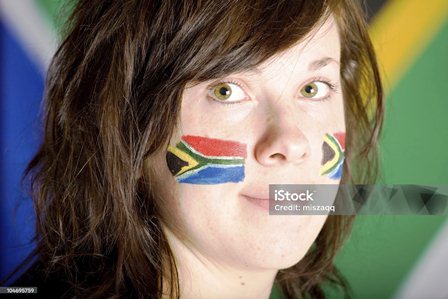
Here are 10 unique habits that people in South Africa often do, shaped by its diverse cultures, history, and laid-back lifestyle:
🇿🇦 Top 10 Unique Habits of South African People
- Braai for Every Occasion 🍖
South Africans love a good braai (BBQ). It’s more than food — it’s a social event. Whether it’s a birthday, public holiday, or just a weekend, a braai is always a good idea. - Mixing 11 Official Languages 🗣️
It’s common to hear people mixing Zulu, Xhosa, Afrikaans, and English in daily conversations. Many locals switch languages mid-sentence without even noticing. - Calling Traffic Lights “Robots” 🚦
Only in South Africa will you be told to “turn right at the robot” — it’s their quirky term for traffic lights! - Saying “Now Now” and “Just Now” ⏳
These expressions confuse outsiders. - Walking Barefoot in Public (Especially Kids) 👣
In many parts, especially smaller towns or suburbs, it’s completely normal (and acceptable) for people — especially children — to walk around barefoot. - Using Bakkies for Everything 🚚
A bakkie (pickup truck) is essential — from moving furniture to transporting animals, they’re a staple in everyday life, especially outside the cities. - Greeting Everyone with Warm Hospitality 🤝
South Africans value politeness. Whether at a shop or on the street, it’s normal to greet strangers with a friendly “Howzit?” or “Sharp sharp!” - Obsessing Over Biltong 🥓
South Africans are serious about their biltong (dried, spiced meat). It’s a national snack — eaten at sports games, road trips, or just as a quick protein fix. - Talking Loudly and Laughing Freely 😂
Whether it’s a family gathering, market, or bar — conversations are expressive, loud, and full of laughter. It’s all part of the country’s vibrant spirit. - Being Proudly Multicultural 🌍
South Africans often refer to their nation as the “Rainbow Nation” — and they genuinely embrace and celebrate different heritages, food, languages, and traditions.
Here’s a deeper dive into the uniquely South African habit of:
🇿🇦 Braai for Every Occasion 🍖🔥
🔍 What is a Braai?
A braai (Afrikaans for “grill” or “roast”) is South Africa’s version of a barbecue — but it’s more than just cooking food. It’s a cultural ritual, a social gathering, and a source of national pride.
🔥 Why It’s Special:
- Wood fire or charcoal only — gas is frowned upon by purists.
- It’s about the experience, not just eating.
- People often gather early and hang out for hours before the food is even ready.
- Everyone has strong opinions about how a braai should be done!
🥩 Common Foods at a Braai:
- Boerewors (spiced beef sausage)
- Lamb chops and steak
- Chicken wings and drumsticks
- Pap (maize porridge) with tomato sauce or chakalaka
- Potjie (stew cooked in a cast iron pot over the fire)
👫 Who Hosts It?
- Anyone and everyone — families, neighbors, coworkers.
- There’s even a national holiday:
📅 Heritage Day (Sep 24) is unofficially known as “National Braai Day.”
🗣️ Common Braai Sayings:
- “Bring and braai” – everyone brings their own meat and drinks.
- “Yoh, that wors is lekka!” – that sausage is delicious.
- “Don’t touch the tongs unless you’re the braai master!”
🧡 Cultural Meaning:
- The braai breaks down racial and social barriers — it’s enjoyed by all backgrounds: Zulu, Xhosa, Afrikaans, English, Indian, Coloured, and more.
- It reflects the spirit of community, sharing, and celebration.
Here’s a detailed look at the fascinating South African habit of:
🗣️ Mixing 11 Official Languages in Everyday Talk 🇿🇦
🔤 Quick Background:
South Africa has 11 official languages, including:
Zulu, Xhosa, Afrikaans, English, Sepedi, Setswana, Sesotho, Tshivenda, Xitsonga, isiNdebele, and siSwati.
This makes it one of the most linguistically diverse countries in the world!
💬 What Does This Habit Look Like?
In daily life, South Africans switch languages mid-sentence — a habit known as code-switching or code-mixing.
It’s casual, effortless, and totally normal.
Example:
“Eish, I was late because the robot wasn’t working — mara I still made it to the braai.”
Translation: “Man, I was late because the traffic light wasn’t working — but I still made it to the barbecue.”
🔁 Why It Happens:
- Most South Africans are multilingual.
- Different communities and households often speak 2–3+ languages daily.
- English is widely spoken, but locals often mix it with mother tongues to better express emotion, humor, or identity.
🧠 Common Language Combos:
| Mixed Languages | Common In |
|---|---|
| Zulu + English | KwaZulu-Natal, urban areas |
| Afrikaans + English | Western Cape, Northern Cape |
| Xhosa + English | Eastern Cape, Gauteng |
| Tswana + Afrikaans | North West province |
😄 Fun South African Phrases:
- “Howzit, my bru?” – Hello, my friend (Afrikaans + English)
- “Sho, I’m tired hey.” – I’m really tired (Zulu + English)
- “Eish!” – A universal exclamation (used across multiple languages)
- “Yoh, that’s hectic!” – Wow, that’s intense (used everywhere)
🌍 Cultural Significance:
- Language mixing is a symbol of unity in diversity.
- It allows people to connect across racial, ethnic, and cultural lines.
- It reflects the “Rainbow Nation” identity of South Africa.
Here’s a fun and quirky dive into the uniquely South African habit of:
🚦 Calling Traffic Lights “Robots” 🤖
❓Wait, What?
Yes — in South Africa, people don’t say “traffic light”.
Instead, they say “robot” — and no, it has nothing to do with AI or machines.
🧠 Example:
“Turn left at the next robot.”
Translation: “Turn left at the next traffic light.”
🏛️ Where Did This Come From?
- The term likely came from early electric traffic signals introduced in South Africa in the 1930s–1950s.
- These were sometimes called “robotic traffic controllers” in British colonial slang.
- The word “robot” stuck in South Africa — and nowhere else.
📍Still Common Today:
- You’ll hear it in cities, towns, and villages.
- Used by all generations, across different languages and backgrounds.
😄 What Outsiders Think:
Many tourists are confused or amused by it.
Some even look around for actual robots the first time they hear it!
🇿🇦 Why It Matters:
- It’s a fun example of South African English — which has many local twists.
- Shows how colonial history and local culture shape everyday language.
- Adds to the charm and distinct identity of South African communication.
🔁 Related Quirky Terms:
| South African English | Standard English |
|---|---|
| Robot | Traffic light |
| Bakkie | Pickup truck |
| Boot | Car trunk |
| Takkies | Sneakers |
| Petrol | Gasoline |
Here’s a fun and classic South African language quirk:
⏳ Saying “Now Now” and “Just Now” 🇿🇦
🧩 What Do They Mean?
In South Africa, time expressions are a bit… flexible.
Two phrases you’ll hear all the time are:
🟢 “Now Now”
- Means: Soon… but not right now.
- Could be a few minutes, or longer.
- It’s sooner than “just now”, but not immediate.
Example:
“I’ll call you now now.”
= I’ll call you soon, but give me a moment.
🟡 “Just Now”
- Means: Eventually, sometime later.
- Could be in an hour… or tomorrow.
- The most ambiguous of the two.
Example:
“I’ll do it just now.”
= I’ll do it later. Not urgent.
❗Important:
Neither of these means “right this second” — which is what “now” means in most other countries.
So if a South African says:
“I’ll do it now now,”
don’t expect instant action!
🧠 Where It Comes From:
- These phrases are rooted in Afrikaans and indigenous language patterns.
- English borrowed the structure, and it evolved into local slang.
😂 How It’s Used in Real Life:
| Phrase | Realistic Meaning |
|---|---|
| “Now” | Right now (immediate) |
| “Now now” | In a few minutes |
| “Just now” | Later, could be a while |
🇿🇦 Cultural Flavor:
This playful use of time reflects the laid-back, flexible rhythm of South African life.
Time is important — but not always rigid.
Here’s a deeper look into one of South Africa’s most laid-back and uniquely grounded habits:
👣 Walking Barefoot in Public (Especially Kids) 🇿🇦
🏃 What’s the Habit?
In South Africa, it’s totally normal — and socially accepted — for people, especially children, to walk barefoot in public.
Not just at the beach, but also in:
- Supermarkets 🛒
- Schools 🏫
- Playgrounds and parks 🌳
- Malls and petrol stations 🏬⛽
🧒 Why Do South Africans Go Barefoot?
- Comfort & freedom – It’s just more natural, especially in the warm climate.
- Tough feet – Many grow up barefoot and develop strong soles.
- Cultural norm – It’s not seen as poor or improper. It’s just normal.
- Health benefits – Some believe it helps with posture, balance, and connection to nature.
👀 Outsiders Might Think:
“Is everything okay? Did they forget their shoes?”
But in South Africa, no shoes = no problem — especially in smaller towns or among kids at school.
📍Where It’s Most Common:
- Rural towns and coastal areas (like the Garden Route, Eastern Cape, or KwaZulu-Natal)
- Primary schools where students may play and learn barefoot
- Even in some urban areas during errands or weekend outings
🗣️ What Locals Might Say:
- “Shoes are for school photos, weddings, and church.”
- “You haven’t lived until you’ve run barefoot on a hot tar road.”
🌍 Cultural Meaning:
- Reflects a down-to-earth, unpretentious lifestyle.
- It’s about freedom, simplicity, and connecting to the land.
- Shows how cultural norms differ around the world — what’s “barefoot” in one place is “normal” in another.
Here’s a proudly South African habit with some serious utility and charm:
🚚 Using Bakkies for Everything 🇿🇦
🔍 What’s a Bakkie?
In South Africa, a bakkie (pronounced bah-kee) is what locals call a pickup truck.
It’s one of the most iconic and widely used vehicles in the country.
🛠️ What Are Bakkies Used For?
Absolutely everything — from work to weekend getaways. Examples include:
- Hauling building materials 🧱
- Moving house 🪑
- Taking livestock to market 🐐
- Road trips and bush camping 🏕️
- Surfboard transport and beach runs 🏄
- Braai missions 🍖🔥
- Even as wedding or prom transport in rural areas 👰🚛
🚙 Why South Africans Love Bakkies:
- Durable and off-road capable for rural and farm roads.
- Huge load space — perfect for DIY lovers and small businesses.
- Affordable maintenance and locally available parts.
- Symbol of hard work, freedom, and rugged practicality.
👨🌾 Who Drives Them?
- Farmers, construction workers, and small business owners
- Families, especially outside major cities
- Even wealthy urban dwellers — because some bakkies are stylish and high-tech (think Toyota Hilux or Ford Ranger)
🗣️ Common Phrases:
- “Just load it in the bakkie.”
- “My bakkie’s stronger than your SUV, bru.”
- “Bakkie life is the real South African lifestyle.”
🌍 Cultural Significance:
The bakkie isn’t just a car — it’s part of South African identity.
It symbolizes resilience, self-reliance, and connection to the land.
💡 Fun Fact:
The Toyota Hilux is one of South Africa’s best-selling vehicles, year after year — largely because of its reputation as a bulletproof bakkie.
Absolutely — here’s a closer look at one of South Africa’s most heartwarming and widely shared habits:
🤝 Greeting Everyone with Warm Hospitality 🇿🇦
🧡 What’s the Habit?
In South Africa, greeting others warmly is more than polite — it’s a deep-rooted cultural value.
Whether you’re in a village, suburb, or big city, people often greet strangers, shopkeepers, neighbors, and passersby with friendly sincerity.
👋 Common Greetings (Across Cultures):
- “Howzit?” – Casual for “How are you?”
- “Sharp sharp!” – Meaning “Cool,” “All good” or “Cheers!”
- “Aweh!” – A slang greeting from Cape Town, like “Hey!”
- “Sawubona” – Zulu for “I see you” (more than just “hello”)
- “Molo” / “Dumela” / “Sanibonani” – Greetings in isiXhosa, Setswana, isiZulu
Many people also shake hands, do a local hand-snap greeting, or simply flash a friendly smile.
👂 The Cultural Depth:
- Ubuntu philosophy — “I am because we are.”
Greetings acknowledge each other’s humanity and presence. - In many communities, not greeting someone is considered rude or disrespectful.
- Even brief interactions often start with a “hello,” no matter your age or background.
🏙️ Where You’ll See It:
- In taxis, buses, and queues
- In small towns and villages
- At shops, offices, or petrol stations
- Even on hiking trails and beaches
👶 Teaching It Young:
- Children are often taught to greet elders first.
- Respectful greetings are a sign of good upbringing and cultural pride.
🌈 Why It Matters:
- Builds social trust and unity in a multicultural nation.
- Reflects the warmth, openness, and friendliness that South Africans are known for.
- Reminds everyone that human connection comes first.
Here’s a juicy deep dive into one of South Africa’s most beloved food habits:
🥓 Obsessing Over Biltong 🇿🇦
🧂 What Is Biltong?
Biltong is South Africa’s version of dried, cured meat — like beef jerky, but with more flavor, thicker cuts, and a richer cultural heritage.
It’s usually made from:
- Beef 🐄
- Game meat like kudu or ostrich 🦌
- Even chicken or fish in some regions 🐟
🍖 Why the Obsession?
South Africans are wildly passionate about biltong — it’s:
- A snack, a protein fix, and a tradition
- Found everywhere — from supermarkets and corner shops to airports and butcheries
- Served at sports games, road trips, hikes, and braais
🔪 How It’s Made:
- Meat is sliced into thick strips
- Cured with vinegar and spices
- Hung to air-dry for days or weeks
- Sliced and served — soft, chewy, or dry depending on preference
Popular flavors include coriander, black pepper, chili, and garlic.
🗣️ Local Opinions (And Arguments):
- “Soft and wet” vs. “dry and tough” biltong? Heated debate.
- Some people only trust their family butcher.
- Others swear by homemade recipes passed down for generations.
🍺 The Perfect Pairing?
- Biltong + cold Castle Lager 🍺 = iconic combo
- Also goes great with red wine 🍷 or even biltong-flavored popcorn
🌍 Cultural Meaning:
- Biltong is more than food — it’s a national treasure.
- Reflects Afrikaans roots, but loved across all cultures and backgrounds.
- It’s a taste of South African pride and survival, born from early settlers needing ways to preserve meat.
💡 Fun Fact:
Biltong is such a staple that many South Africans travel overseas with vacuum-packed biltong — or even make it abroad to feel at home.
Here’s a vibrant look at one of South Africa’s most infectious and joyful social habits:
😂 Talking Loudly and Laughing Freely 🇿🇦
🔊 What’s the Habit?
In South Africa, expressive conversation is part of everyday life.
Whether you’re at a:
- Family gathering 🍽️
- Taxi rank 🚐
- Market 🛍️
- Church ⛪
- Bar or braai 🔥🍖
…you’ll likely hear people talking loudly, laughing heartily, and telling animated stories.
😄 Why It Happens:
- South Africans tend to be open, warm, and emotionally expressive.
- Laughter and storytelling are deeply rooted in many local cultures — from Xhosa praise poetry to Afrikaans humor and Zulu banter.
- It reflects the spirit of togetherness, joy, and resilience — even in tough times.
🗣️ Typical Social Vibes:
- Conversations are passionate and full of gestures.
- Laughter can erupt suddenly and loudly, often drawing nearby people into the fun.
- “Quiet table” at a South African gathering? Unlikely.
📍Where You’ll Notice It:
- Public taxis: often full of jokes, gossip, and shared opinions
- Shabeens (local pubs): alive with banter and debate
- Churches and community halls: expressive worship and enthusiastic storytelling
- Family homes: multi-generational laughter filling the room
🧠 Cultural Insights:
- Loudness isn’t seen as rude — it’s seen as alive, engaged, and spirited.
- Laughter is often used to lighten the mood, build community, or handle serious topics with grace.
- Storytelling and humor are key tools for passing down wisdom, history, and identity.
🌍 Global View:
To outsiders, it might seem “noisy” — but in South Africa, it’s a sign that people are comfortable, connected, and being themselves.
Absolutely — this is one of South Africa’s most defining and inspiring traits:
🌍 Being Proudly Multicultural 🇿🇦
“The Rainbow Nation” isn’t just a nickname — it’s a way of life.
🧬 What’s the Habit?
South Africans take genuine pride in their cultural diversity, and they live it out daily through:
- Multilingual conversations 🗣️
- Mixed-heritage friendships 🤝
- Diverse foods on the same plate 🍛
- Interfaith celebrations 🕊️
- Respect for both modern and traditional ways of life.
🇿🇦 11 Official Languages, 1 Nation
South Africa officially recognizes 11 languages, and many people speak 2–4 fluently.
You’ll often hear:
“Sawubona” (Zulu) in the morning,
“Howzit” (English) at lunch,
and “Lekker, bru” (Afrikaans) by dinner.
🧥 A Blend of Cultures You’ll See:
- Zulu beadwork worn at a corporate event
- Cape Malay curries served next to Afrikaner boerewors
- A Khoisan traditional dance at a modern music festival
- Christmas, Eid, and Heritage Day celebrated with equal energy
🌈 Why It’s Called the “Rainbow Nation”
Coined by Archbishop Desmond Tutu and popularized by Nelson Mandela, this phrase reflects:
- Unity in diversity
- Post-apartheid optimism
- A vision where every identity matters
🗣️ What Locals Might Say:
- “We may be different, but we’re all South African.”
- “We don’t melt together — we shine together.”
- “Our strength is in our differences.”
🍲 Everyday Life Reflects It:
At a typical South African street market or home, you might find:
- Pap and chakalaka (African)
- Samosas and breyani (Indian)
- Vetkoek and melktert (Afrikaans)
- Snoek and koeksisters (Cape Malay)
All shared around one table — no awkwardness, just pride.
🌍 Cultural Meaning:
This habit isn’t just about tolerance — it’s about celebrating identity, learning from each other, and living with cultural fluidity.

