
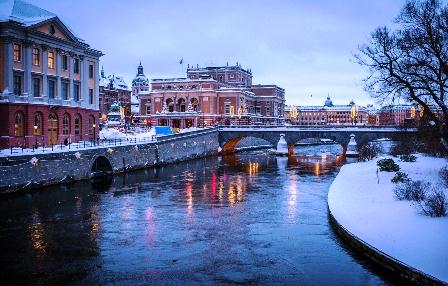
Stockholm, the capital of Sweden, is a stunning city spread across 14 islands connected by over 50 bridges. Known as the “Venice of the North,” it combines natural beauty, historical significance, and cutting-edge modernity. Stockholm is a global center for innovation, sustainability, and culture, offering a high quality of life and a rich array of attractions. Here’s an overview:
Geography and Layout
- Location: Situated on Sweden’s southeast coast where Lake Mälaren meets the Baltic Sea.
- Archipelago: The Stockholm Archipelago consists of about 30,000 islands, islets, and skerries, many of which can be visited via ferries.
- Neighborhoods:
- Gamla Stan: The Old Town with medieval cobblestone streets and historic landmarks.
- Södermalm: A trendy district known for its bohemian vibe, boutique shops, and cafes.
- Norrmalm: The modern city center, home to shopping areas and business districts.
- Djurgården: A green oasis with parks, museums, and family-friendly attractions.
- Climate: A temperate continental climate with mild summers and cold, snowy winters.
History
- Origins: Founded in 1252, Stockholm grew around a fortress built to control trade and defend against invaders.
- Golden Age: By the 17th century, Stockholm became the political and economic hub of the Swedish Empire.
- Modern Era: The city embraced industrialization in the 19th century and has since become a leader in sustainability, design, and technology.
Key Attractions
- Gamla Stan (Old Town):
- One of Europe’s best-preserved medieval city centers, with colorful buildings, narrow alleys, and landmarks like Storkyrkan Cathedral and Nobel Prize Museum.
- Royal Palace (Kungliga Slottet):
- One of the largest palaces in Europe, serving as the official residence of the Swedish monarch. Visitors can explore the State Apartments and the Tre Kronor Museum.
- Vasa Museum:
- Houses the Vasa, a 17th-century warship salvaged from the sea, preserved in remarkable condition.
- Skansen:
- The world’s first open-air museum, showcasing Swedish history, culture, and wildlife.
- ABBA Museum:
- A tribute to Sweden’s iconic pop group, featuring interactive exhibits and memorabilia.
- Stockholm City Hall (Stadshuset):
- Known for its architecture and the annual Nobel Prize banquet, with a tower offering panoramic city views.
- Djurgården:
- A lush island with attractions like Gröna Lund amusement park, the Nordic Museum, and scenic walking trails.
- Moderna Museet:
- A contemporary art museum featuring works by artists like Picasso and Dalí.
- Fotografiska:
- A world-class photography museum with rotating exhibits and a rooftop restaurant.
- The Archipelago:
- A haven for nature lovers, offering boat tours, kayaking, and island-hopping adventures.
Culture and Lifestyle
- Design and Innovation:
- Stockholm is a global hub for Scandinavian design, from minimalist furniture to cutting-edge technology.
- Companies like IKEA, Spotify, and Ericsson have their roots in Sweden.
- Sustainability:
- The city is one of the greenest in the world, with ambitious goals to be fossil-fuel-free by 2040.
- Extensive bike lanes, clean public transport, and eco-friendly architecture exemplify its commitment to sustainability.
- Literary Connections:
- Stockholm is associated with Nobel Prize laureates and authors like Astrid Lindgren, creator of Pippi Longstocking.
Culinary Scene
- Traditional Cuisine:
- Meatballs (köttbullar) with lingonberry sauce.
- Gravlax (cured salmon).
- Räksmörgås (shrimp sandwich).
- Semla (a sweet bun filled with cream and almond paste).
- Modern Dining:
- Stockholm boasts several Michelin-starred restaurants, such as Frantzén.
- The city is at the forefront of the New Nordic cuisine movement, emphasizing local, seasonal ingredients.
- Fika Culture:
- The Swedish tradition of enjoying coffee and pastries, such as kanelbullar (cinnamon buns), is deeply ingrained in daily life.
Architecture
- Historic: Gamla Stan features medieval and Renaissance architecture.
- Modern: Sleek, minimalist design is evident in buildings like the Ericsson Globe and Kulturhuset.
- Green Building: Many structures incorporate sustainable materials and energy-efficient systems.
Transportation
- Public Transit:
- Stockholm’s metro (Tunnelbana) is efficient and often called the “world’s longest art gallery” due to its beautifully decorated stations.
- Buses, trams, and ferries complement the metro network.
- Cycling:
- Extensive bike lanes and rental programs make cycling a popular and eco-friendly option.
- Arlanda Airport:
- Located about 40 km from the city, it connects Stockholm to global destinations.
Festivals and Events
- Midsummer: Celebrates the summer solstice with traditional music, dancing, and flower crowns.
- Nobel Prize Ceremony: Held annually in December at the Stockholm Concert Hall.
- Stockholm Pride: One of Scandinavia’s largest LGBTQ+ events.
- Stockholm International Film Festival: Showcases films from around the world.
Parks and Nature
- Djurgården: Ideal for picnics, walking, and cycling.
- Hagaparken: A royal park with serene lakes and historic pavilions.
- Langholmen: An island with beaches and walking trails.
- The Archipelago: Offers endless opportunities for outdoor enthusiasts to explore unspoiled nature.
Economy and Education
- Economic Hub: Stockholm is a center for finance, technology, and innovation, home to startups and multinational corporations.
- Education: Prestigious institutions like Karolinska Institute (known for medical research) and Stockholm University attract students worldwide.
Unique Features
- Equality and Progressivism: Stockholm is known for its egalitarian society and strong commitment to human rights and inclusivity.
- Waterfront Living: Clean, swimmable waterways are a defining feature of the city.
- Art and Creativity: From metro stations to public sculptures, art is seamlessly integrated into the urban landscape.
Stockholm is a city that seamlessly blends the past and future, offering something for everyone—history buffs, nature lovers, and modern urbanites alike
Share To

