
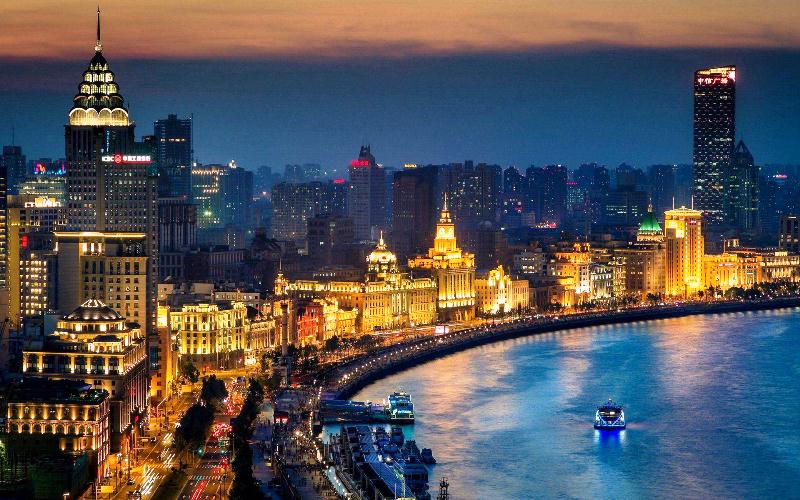
Shanghai is China’s largest city and a global financial hub. It’s known for its modern skyline, historical colonial architecture, and vibrant culture. Here are some key highlights:
Geography & Population
- Located on China’s east coast, where the Yangtze River meets the East China Sea.
- One of the world’s most populous cities, with over 24 million residents.
Economy & Business
- A major financial center, home to the Shanghai Stock Exchange (SSE).
- A global trade hub with one of the busiest container ports in the world.
- Many multinational companies have headquarters or offices in the city.
Landmarks & Attractions
- The Bund – A waterfront area with colonial-era buildings.
- Lujiazui (Pudong skyline) – Features iconic skyscrapers like the Shanghai Tower (China’s tallest), the Oriental Pearl Tower, and the Jin Mao Tower.
- Nanjing Road – A famous shopping street.
- Yu Garden & City God Temple – Traditional Chinese architecture and markets.
- French Concession – Known for tree-lined streets, historic buildings, and trendy cafes.
- Disneyland Shanghai – A major theme park attraction.
Culture & Lifestyle
- A mix of Eastern and Western influences due to its history as an international trading hub.
- Famous for Shanghai cuisine, including dishes like xiaolongbao (soup dumplings) and crab roe noodles.
- A center for contemporary art, fashion, and nightlife.
Transportation
- The Shanghai Metro is one of the world’s largest subway systems.
- Maglev Train connects Pudong Airport to the city at speeds of 430 km/h (267 mph).
- Two major airports: Pudong International Airport (PVG) and Hongqiao International Airport (SHA).
History
- Originally a fishing village, it grew into a major trade center in the 19th century.
- Was controlled by Western powers in “concessions” after the Opium Wars.
- Became a key economic hub after China’s economic reforms in the 1980s.
Business
Shanghai is a global financial center and a major hub for business, trade, and innovation. If you’re considering doing business in Shanghai, here’s what you need to know:
Why Shanghai?
✅ Financial Powerhouse – Home to the Shanghai Stock Exchange (SSE), one of the world’s largest.
✅ Gateway to China – A key entry point for foreign companies into the Chinese market.
✅ Tech & Innovation Hub – Strong in AI, fintech, biotech, and smart manufacturing.
✅ Free Trade Zone (FTZ) – Business-friendly policies in the China (Shanghai) Pilot Free Trade Zone.
✅ Strong Consumer Market – A massive middle class with high spending power.
Key Business Sectors
1. Finance & Banking
- Shanghai is often called the “Wall Street of China.”
- Home to biggest Chinese banks (ICBC, CCB, Bank of China) and global financial firms.
- The Shanghai Stock Exchange (SSE) is a leader in global capital markets.
2. Technology & Innovation
- Zhangjiang Hi-Tech Park – A major center for AI, biotech, and semiconductors.
- Pudong AI Cluster – A government-backed AI research and business zone.
- 5G & Smart Cities – Shanghai is a testing ground for China’s 5G and IoT initiatives.
3. E-Commerce & Retail
- Headquarters of Alibaba, JD.com, and Pinduoduo are in or near Shanghai.
- A strong luxury market – many international brands launch products here.
- Live-streaming commerce is booming, driven by platforms like Douyin (TikTok China).
4. Manufacturing & Trade
- One of the largest ports in the world – crucial for import/export business.
- Major industries: automobiles, semiconductors, pharmaceuticals, and green energy.
- Tesla’s Gigafactory Shanghai is a key example of foreign investment in manufacturing.
5. Real Estate & Infrastructure
- Major commercial real estate developments, including skyscrapers and business parks.
- The city has ongoing smart city projects integrating AI, big data, and green tech.
How to Start a Business in Shanghai
1. Business Structures
If you’re a foreign investor, you can set up:
✅ Wholly Foreign-Owned Enterprise (WFOE) – Full control but higher setup costs.
✅ Joint Venture (JV) – Partner with a Chinese company, required for some industries.
✅ Representative Office (RO) – For market research; limited business operations.
✅ Foreign-Invested Enterprise (FIE) – A general term for foreign-owned businesses.
2. Registration Process
1️⃣ Choose a business structure & name (must be approved by authorities).
2️⃣ Register with the Shanghai Administration for Industry and Commerce (AIC).
3️⃣ Open a Chinese bank account and register for taxation (VAT, corporate tax).
4️⃣ Obtain necessary licenses & permits, depending on your industry.
5️⃣ Set up HR & payroll (China has strict labor laws).
Pro Tip: Many companies hire a local business consultant to navigate the process smoothly.
Business-Friendly Policies & Incentives
Shanghai Free Trade Zone (FTZ)
- Eases import/export regulations, currency exchange, and foreign investment.
- Popular for tech startups, finance, and cross-border e-commerce.
- Tax incentives & simplified customs clearance for businesses in the zone.
Government Support for Tech & Startups
- Grants & tax breaks for AI, biotech, and new energy companies.
- Shanghai’s Pudong District offers R&D funding for high-tech firms.
- Startup Incubators: XNode, Chinaccelerator, and Zhangjiang Hi-Tech Park.
Networking & Business Culture
1. Key Business Hubs
📍 Lujiazui (陆家嘴) – The financial district, home to banks & investment firms.
📍 People’s Square (人民广场) – Corporate offices and government agencies.
📍 Zhangjiang Hi-Tech Park (张江高科技园区) – China’s “Silicon Valley.”
📍 Hongqiao Business District (虹桥商务区) – Conference & trade center near the airport.
2. Business Etiquette
✅ Guanxi (关系) – Building strong relationships is crucial in Chinese business.
✅ Gift Giving – Small gifts (like quality tea) are common for partners.
✅ Hierarchy Matters – Respect for seniority in meetings and negotiations.
✅ Bilingual Staff – While many businesspeople speak English, hiring a translator helps.
✅ WeChat Business – WeChat is used for networking, payments, and contracts.
Challenges & Considerations
🚧 Regulations & Compliance – Foreign businesses face strict rules; legal advice is important.
🚧 Intellectual Property (IP) Protection – While improving, IP enforcement is still a concern.
🚧 Competition – Local companies have strong government backing in certain industries.
🚧 Cross-Border Payments – Some restrictions on currency exchange & fund transfers.
🚧 Cultural Differences – Business in China operates on different social norms than the West.
Final Thoughts
Shanghai is an excellent place for business, especially in finance, tech, e-commerce, and trade. If you’re entering the market, understanding local regulations, culture, and networking strategies will be key to success.
Travel
Shanghai is an incredible destination with a mix of modern skyscrapers, colonial history, and rich Chinese culture. Here’s a travel guide to help you explore the city:
Best Time to Visit
- Spring (March–May) – Pleasant weather, blooming flowers.
- Autumn (September–November) – Cool and comfortable, fewer crowds.
- Avoid: Summer (hot and humid) & major holidays (e.g., Chinese New Year, Golden Week in October – very crowded).
Top Attractions
🌆 Modern Landmarks
- The Bund (外滩) – A scenic waterfront with colonial buildings & a skyline view.
- Lujiazui (Pudong Skyline) – Home to Shanghai Tower, Jin Mao Tower, & Oriental Pearl Tower.
- Shanghai Disneyland – A must-visit for Disney fans, featuring unique rides like Tron Lightcycle.
- Shanghai Tower (632m) – China’s tallest building with an amazing observation deck.
🏯 Historic & Cultural Sites
- Yu Garden & City God Temple (豫园) – A classic Chinese garden and traditional shopping area.
- French Concession (法租界) – A charming area with tree-lined streets, boutiques, and cafes.
- Jing’an Temple (静安寺) – A beautiful Buddhist temple in the city center.
- Tianzifang (田子坊) – A trendy arts district with narrow alleys, local shops, and cafés.
🏛️ Museums & Arts
- Shanghai Museum – A world-class museum showcasing Chinese history and artifacts.
- Power Station of Art – A contemporary art museum in a converted power station.
Food & Dining
Shanghai is famous for its delicious food, from street eats to fine dining.
🥟 Must-Try Dishes
- Xiaolongbao (Soup Dumplings) – Juicy dumplings with pork or crab roe.
- Sheng Jian Bao – Pan-fried soup dumplings with a crispy bottom.
- Scallion Oil Noodles – A simple but flavorful noodle dish.
- Hairy Crab (秋天吃大闸蟹) – A seasonal specialty in autumn.
🍽️ Where to Eat
- Jia Jia Tang Bao (佳家汤包) – Famous for xiaolongbao.
- Nanxiang Steamed Bun Restaurant (南翔馒头店) – A historic dumpling spot.
- Fu He Hui (福和慧) – Michelin-starred vegetarian dining.
- Ultraviolet by Paul Pairet – A multi-sensory fine dining experience.
Shopping & Nightlife
- Nanjing Road (南京路) – Shanghai’s busiest shopping street.
- Xintiandi (新天地) – High-end shopping, dining, and bars in a restored Shikumen area.
- Fake Markets (AP Plaza, Qipu Road) – Bargain shopping for knockoff goods (haggle hard!).
- The Bund Rooftop Bars – Enjoy cocktails with stunning views (Bar Rouge, Vue Bar).
Getting Around
🚇 Shanghai Metro – The best way to travel, cheap and efficient.
🚖 Didi (滴滴) – The Chinese Uber (download the app).
🚶 Walking – Great for exploring neighborhoods like the French Concession.
🚄 Day Trips – Take a high-speed train to Suzhou (water towns, gardens) or Hangzhou (West Lake).
Travel Tips
✔ Use Alipay/WeChat Pay – Cash is rare; foreign cards may not work everywhere.
✔ VPN Required – China blocks Google, WhatsApp, and Facebook. Use a VPN.
✔ Language Barrier – Basic Mandarin helps; use translation apps (Google Translate, Pleco).
✔ Subway over Taxis – Traffic can be terrible; metro is faster.
✔ Bargain at Markets – Always negotiate prices in tourist markets.

