
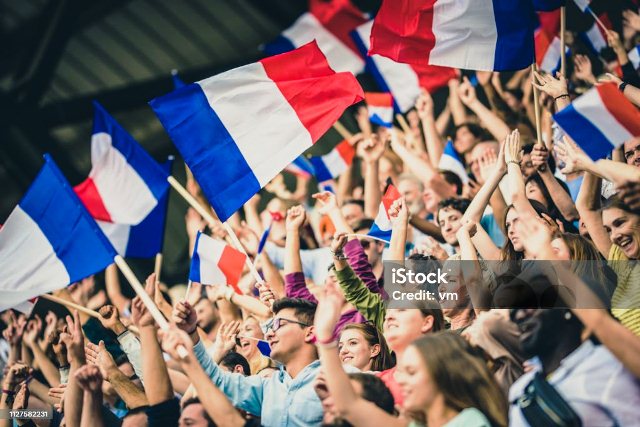
Here are 10 unique habits that people in France often have, which can seem quite distinct or interesting from an outsider’s perspective:
1. Greeting with “La Bise” (Kissing on the Cheek)
- Instead of handshakes or hugs, many French people greet friends and acquaintances with a light kiss on both cheeks — sometimes more, depending on the region.
- The number of kisses varies by location!
2. Saying “Bonjour” to Everyone
- It’s considered polite to greet everyone (shopkeepers, neighbors, even strangers in rural areas) with a “Bonjour” (or “Bonsoir” in the evening).
- Not doing so can come off as rude.
3. Long Lunch Breaks
- The French love a proper lunch — sometimes lasting 1.5 to 2 hours, especially in smaller towns.
- It’s a social event, often involving multiple courses, even during the workweek.
4. Respect for Mealtimes
- Snacking is uncommon. Meals are sacred and usually follow a traditional schedule: breakfast, lunch, and dinner.
- Eating on the go or in the street is often frowned upon.
5. Frequenting the Local Boulangerie Daily
- Many French people buy fresh baguettes or croissants daily from the bakery.
- It’s a ritual, and bread is considered essential to meals.
6. Drinking Coffee at the Bar (Standing Up)
- In cafés, especially in the morning, it’s common to drink an espresso while standing at the counter (le zinc).
- It’s quick, social, and costs less than sitting down.
7. Protesting and Striking
- The French are passionate about their rights and don’t hesitate to go on strike or protest when something isn’t right.
- It’s a deeply embedded cultural practice tied to political expression.
8. Using Formal Language in Social Interactions
- There’s a strong distinction between “tu” (informal you) and “vous” (formal you) — using the wrong one can be awkward or disrespectful.
- The French take this seriously in both business and personal interactions.
9. Prioritizing Vacation and Work-Life Balance
- August is sacred — many businesses close, and cities empty out as people head to the countryside or the coast.
- Paid vacation time is generous, and people truly disconnect.
10. Appreciating Silence and Personal Space
- French culture often values quiet conversation, and being loud in public can be seen as uncouth.
- They also maintain a certain level of personal space, especially with strangers.
🇫🇷 1. Greeting with “La Bise” (Kissing on the Cheek)
What it is:
“La bise” is the traditional French greeting involving light kisses on the cheeks — usually air kisses where cheeks touch and a kissing sound is made.
🧭 How Many Kisses?
- It varies by region!
- 2 kisses = most common
- 3 kisses = in places like Provence
- 4 kisses = some parts of northern France
- There are even maps in France showing how many kisses per region!
👥 When is it Used?
- Among friends, family, and sometimes coworkers.
- Often skipped in strictly professional settings, unless you’re close.
- Men usually kiss women, women kiss women, and some men kiss each other depending on familiarity and region.
⏱️ Timing & Order
- Always right cheek first (from your perspective).
- It’s quick, soft, and informal — not a romantic gesture.
❗ Fun Facts:
- During COVID, it was suspended — but it’s making a comeback!
- Some French people find it awkward too, especially with strangers.
- It can be a little stressful for foreigners — but locals usually understand if you’re unsure.
Here’s a friendly dive into the second unique French habit:
🇫🇷 2. Saying “Bonjour” to Everyone
What it is:
In France, saying “Bonjour” (Hello) is not just a greeting — it’s a social must and a key sign of respect and politeness.
🧑🤝🧑 Who Do You Say It To?
- Everyone you encounter in a social or service setting:
- Shopkeepers
- Neighbors
- Waiters
- Coworkers
- Even strangers in small towns or elevators!
🕰️ Time Matters:
- Before evening = “Bonjour”
- After around 6 PM = “Bonsoir” (Good evening)
- Saying “Bonjour” too late in the day can seem off!
❌ What Happens If You Don’t?
- Not saying “Bonjour” can come across as rude, cold, or even arrogant.
- Some shopkeepers may ignore you completely until you greet them properly.
💬 Extra Tip:
- The full polite version is:
“Bonjour, Madame / Monsieur” — especially in formal situations.
👀 Fun Cultural Note:
- After the first “Bonjour” of the day, French people don’t usually repeat it if they see the same person again. In that case, just a smile or nod is enough!
🇫🇷 3. Long Lunch Breaks
What it is:
In France, lunch isn’t just a quick meal — it’s a mini event, often lasting 1 to 2 hours, especially outside major cities.
🕛 Typical Schedule:
- Lunch starts around 12 PM to 1 PM.
- Many businesses — including small shops, pharmacies, and offices — close completely during lunch.
- In schools, kids often get 90 minutes to 2 hours to eat and relax.
🍽️ What Happens During a Long Lunch?
- Multi-course meals:
- Starter (entrée)
- Main course (plat principal)
- Cheese or dessert
- Sometimes wine, even during workdays (though less common now)
- It’s a time to socialize, unwind, and enjoy — not eat at your desk.
🏙️ City vs Countryside:
- In big cities like Paris, lunch breaks are getting shorter due to modern work culture.
- But in rural areas and small towns, the long lunch break is still a cherished tradition.
📵 Disconnecting Is Normal
- It’s perfectly acceptable to leave work messages unanswered during lunch. It’s seen as a time to step away from stress.
🍷 Fun Fact:
- In some workplaces, there used to be wine served in the canteen. While it’s rare now, it shows how laid-back the lunch hour used to be!
🇫🇷 4. Respect for Mealtimes
What it is:
In France, mealtimes are sacred — not just about food, but about structure, culture, and social connection. Eating is intentional, not rushed.
🕰️ Fixed Meal Schedule:
- Breakfast: Light (usually coffee + pastry or tartine)
- Lunch: Between 12:00 – 2:00 PM
- Dinner: Usually around 7:30 – 8:30 PM
- Snacking? Rare. Especially for adults. Kids might have a small “goûter” (afternoon snack) around 4 PM.
🍽️ The Meal is a Ritual
- Meals are typically seated, multi-course, and never eaten on the go.
- Even a simple lunch can include:
- A starter (like a salad or soup)
- A main dish
- Cheese or dessert
- Bread, always
- Sometimes wine or sparkling water
🚫 Eating in Public = Faux Pas
- Walking and eating, especially fast food, is frowned upon.
- People take their time, sit down, and eat together — even in parks or during lunch breaks.
🧒 Teaching It Early
- Children in French schools are taught from a young age to eat slowly, try everything, and talk at the table.
- Meals are part of the educational experience, not just a break.
🧘♀️ Why It Matters:
- It’s about mindful eating, social connection, and a healthy work-life balance.
- Respecting mealtimes = respecting yourself and others.
Oui oui! Let’s get into one of the most charming and delicious French habits:
🇫🇷 5. Frequenting the Local Boulangerie Daily
What it is:
In France, going to the boulangerie (bakery) every day — often once in the morning and once in the evening — is a way of life. It’s not just about bread; it’s about routine, tradition, and community.
🥖 The Star of the Show: The Baguette
- The iconic baguette is bought fresh daily, never stored.
- It’s often carried under the arm, unwrapped, straight from the bakery.
- A law even defines what makes a “traditional baguette” (yep, it’s that serious!).
🍞 Not Just Baguettes
- People also pick up:
- Croissants
- Pain au chocolat
- Brioche
- Specialty breads like pain de campagne, baguette aux céréales, etc.
👩🍳 Boulangerie vs. Pâtisserie
- Boulangerie = bread bakery
- Pâtisserie = pastry shop
- Some places are both, and many French people have their favorite spot based on crust, warmth, or friendliness.
⏱️ It’s a Daily Ritual
- Early morning visit = grab a croissant and coffee
- Evening visit = pick up fresh bread for dinner
- It’s also a social moment — a quick chat with the baker or other customers.
🏆 Fun Fact:
- France even holds a national competition for the best baguette in Paris. The winner gets to supply the Élysée Palace (President’s residence) for a whole year!
This one would look great as a short skit or reel: someone struggling to resist eating the baguette on the walk home 😄
🇫🇷 6. Drinking Coffee at the Bar (Standing Up)
What it is:
In France, especially in the mornings, many people drink their coffee standing at the bar (le zinc) of a café — quick, efficient, and oh-so-French.
☕ Espresso is King
- The standard order? A “café”, which means espresso by default.
- It’s strong, tiny, and downed in a few sips, not sipped slowly for an hour.
🧍♂️ Why Stand?
- It’s cheaper — sometimes €1–€1.50 at the bar, but double that if you sit at a table.
- It’s fast — like a pit stop on the way to work.
- It’s social — regulars chat with the barista or other locals for a quick catch-up.
🕖 When is This Done?
- Mostly in the morning before work or during a quick break.
- Some people even stop multiple times a day for a quick espresso shot.
🪑 Sit-Down Coffee = Different Vibe
- If you sit at a table, you’re there to relax, read, or people-watch — that’s a different experience (and price tag).
- Also, ordering coffee “to go” is still relatively uncommon in many parts of France.
📌 Fun Fact:
- The bar counter is sometimes called “le zinc” because old café bars were traditionally made of zinc metal.
- Locals even say: “Prendre un café au zinc” = grabbing a quick espresso at the bar.
Ah yes — one of the most iconic and passionately French habits. Let’s get into it:
🇫🇷 7. Protesting and Striking
What it is:
In France, protesting (“manifester”) and striking (“faire la grève”) are considered normal, even respected forms of civic expression. It’s not seen as rebellious — it’s seen as a right.
✊ Why Do the French Protest So Often?
- To protect workers’ rights
- Against pension reforms, fuel prices, education changes, health system issues — you name it
- Even small changes can spark large-scale protests if they’re seen as unfair
🗓️ It Happens Regularly
- Protests can be massive and organized, like the “Gilets Jaunes” (Yellow Vests) movement.
- Strikes (especially by public sector workers like train conductors, teachers, air traffic controllers) are common and expected.
🚆 Strikes Can Shut Down a Lot
- Trains, buses, metros, airports — even schools and postal services — can be affected.
- Locals are used to planning around strikes and usually find ways to adapt.
📢 It’s a Cultural Legacy
- Rooted in the French Revolution spirit, protesting is a proud part of French identity.
- It reflects a deep belief in democracy, activism, and the power of the people.
🧠 Fun (and True) Fact:
- There’s even a French phrase:
“Métro, boulot, dodo, et manif”
(“Commute, work, sleep… and protest.”) - People sometimes strike not just for themselves, but in solidarity with others.
Let’s dig into #7: Protesting and Striking — a true pillar of French culture 🇫🇷🔥
🇫🇷 7. Protesting and Striking (La Grève & Les Manifs)
What it is:
In France, going on strike or hitting the streets to protest is seen as a normal, almost routine part of life. It’s not disruptive — it’s democratic expression.
✊ A Deep-Rooted Right
- Protest culture goes back to the French Revolution, and that spirit still lives on.
- French citizens defend their rights fiercely, whether it’s about pensions, education, healthcare, or social justice.
- The mindset: “If we don’t speak up, nothing changes.”
🔁 How Often Does It Happen?
- All. The. Time.
- Train workers strike
- Teachers strike
- Students protest
- Farmers block roads
- Even ballet dancers at the Paris Opera have gone on strike!
🚧 It Can Impact Daily Life
- You’ll often see:
- 🪧 Marches and demonstrations
- 🚆 Cancelled trains and flights
- 🏫 Closed schools
- 🛑 Traffic disruptions
- The public usually takes it in stride — it’s just part of French life.
🤝 Solidarity is Big
- It’s not uncommon for people to strike in solidarity with other professions, not just their own.
- Entire sectors may rally together — even cross-country protests are coordinated.
📢 Common French Phrases You’ll Hear:
- “Tous dans la rue !” – Everyone to the streets!
- “On lâche rien !” – We’re not giving up!
- “La grève générale” – General strike (when everything stops)
🎭 Fun Cultural Note:
- French protests often include music, costumes, banners, and a bit of theatrical flair.
- Yes, protesting is almost an art form here.
🇫🇷 8. Using Formal Language in Social Interactions
What it is:
In France, there’s a strong distinction between formal and informal speech, and choosing the right form is important in maintaining politeness and respect. This is especially crucial in first meetings, business settings, and with people you don’t know well.
👥 “Tu” vs “Vous”
- “Tu” is informal and used with close friends, family, and children.
- “Vous” is formal and shows respect, used with strangers, elders, or in professional settings.
- Switching too early to “tu” can be seen as overly familiar or rude, while not switching to “tu” when it’s appropriate might feel distant.
🗣️ When to Use “Vous”
- In business settings (especially if it’s your first time meeting).
- With elders or people in authority.
- In formal settings (e.g., a job interview, a doctor’s office, or a meeting with someone you don’t know well).
🎓 Gradually Switching to “Tu”
- The transition from “vous” to “tu” isn’t automatic. It’s mutual — it typically happens after mutual agreement or once you’ve developed a closer relationship.
- For example: After a few conversations, someone might say, “On peut se tutoyer ?” (Can we switch to ‘tu’?).
🏢 In the Workplace
- Hierarchical structures are important in France, and formal language helps maintain that level of respect.
- A boss will often use “vous” with employees, and the employees will do the same, unless a level of familiarity is established.
📜 Why It’s Important
- It’s a sign of respect, politeness, and maintaining professional distance.
- The French take formality seriously, and breaking the “vous” rule can result in awkwardness or even offending someone.
🧠 Fun Fact:
- In some regions and subcultures, there are even more specific forms of formal language based on the person’s age or social standing.
🇫🇷 9. Prioritizing Vacation and Work-Life Balance
What it is:
In France, work-life balance isn’t just a luxury — it’s a fundamental right. French culture places a strong emphasis on taking time for personal life, with vacation time being seen as non-negotiable.
🏖️ Generous Vacation Time
- Minimum 5 weeks of paid vacation per year, guaranteed by law.
- Some employees even receive additional days depending on their profession or collective agreements.
- Many people use August for a complete disconnect, with businesses and cities often slowing down or closing.
🌴 August Shutdown
- In many parts of France, August is sacred — it’s when everyone seems to take vacation at the same time.
- Smaller towns and even major cities like Paris can empty out completely as people head to the countryside, beaches, or abroad.
- It’s common for shops, restaurants, and offices to be closed for several weeks.
🕐 Work Hours & Time Off
- The 35-hour workweek is the standard in France, with many companies offering flexibility and respecting personal time.
- Lunch breaks can last 1.5-2 hours, and employees typically disconnect from work emails after hours (a “right to disconnect” law exists).
🍽️ Work-Life Balance Beyond Vacation
- It’s not just about long vacations; the daily balance is crucial.
- Weekends are truly protected for family time, rest, or leisure activities.
- Evenings are reserved for relaxing meals, enjoying time with loved ones, or personal hobbies.
🎉 Fun Fact:
- Many French people prioritize personal well-being over career success. While hard work is respected, burnout is seen as a serious issue to avoid at all costs.
🇫🇷 10. Appreciating Silence and Personal Space
What it is:
In France, silence and personal space are highly valued. Whether in social interactions, on public transportation, or at work, there’s a strong appreciation for calm and boundaries.
🤫 The Power of Silence
- Silence is not seen as awkward but as a natural part of life. In fact, there’s often a certain comfort in silence during conversations or gatherings.
- French people might pause in conversations to think deeply, reflect, or simply enjoy the quiet.
🚇 Personal Space in Public
- On public transport, you’ll find people respecting personal space and generally avoiding loud conversations or phone calls.
- In cafes, people may sit quietly or engage in low-key, polite conversation.
🧘 Less Small Talk
- The French don’t generally engage in superficial small talk. Conversations tend to be more meaningful, and moments of silence are seen as a natural part of the interaction.
- Strangers don’t greet each other with overly chatty pleasantries — a simple “Bonjour” and a nod is enough.
👥 Respecting Boundaries in Social Settings
- When it comes to social gatherings, it’s important to respect each other’s personal space. For example, people might not hug or touch as frequently as in other cultures.
- At work or in professional settings, there’s a clear line between personal and professional life, and discussions around personal matters are kept to a minimum.
🌳 Taking Time for Yourself
- Quiet time in nature or at home is cherished. The idea of spending time alone, without distractions, is seen as vital for mental well-being.
- French cafés might have patrons enjoying a coffee and a book in silence, rather than chatting constantly.
🧠 Fun Fact:
- In the French countryside, there’s even a cultural term for enjoying solitude: “la douce solitude” — a quiet, peaceful form of personal retreat.

