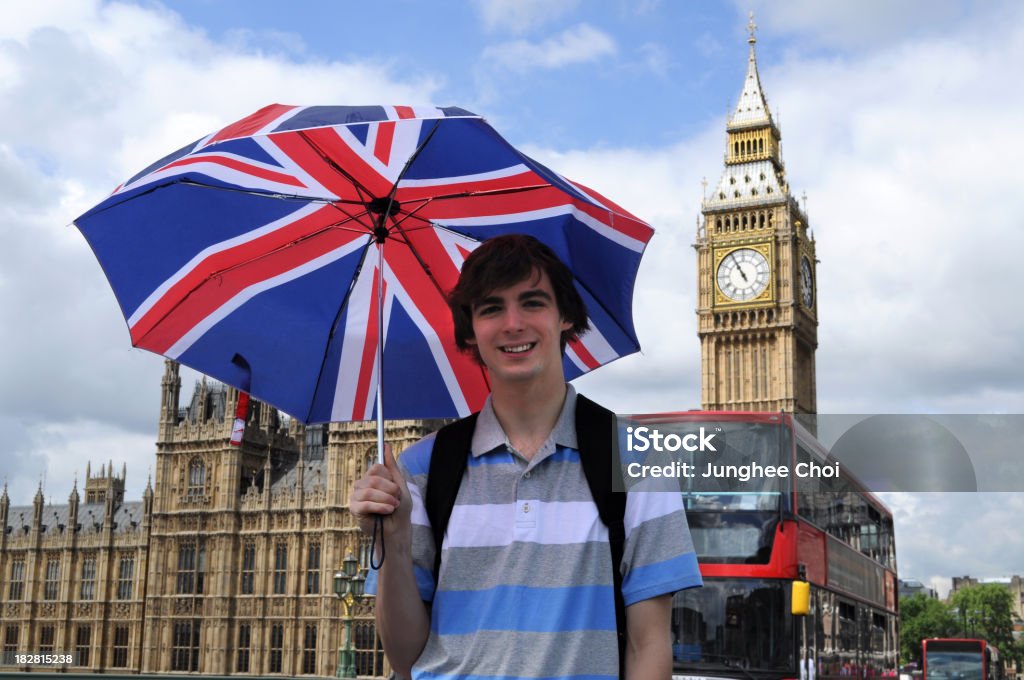
Sure! Here’s a fun list of Top 10 Unique Habits That People in the United Kingdom Often Do:
1. Saying “Sorry” All the Time
Even if it’s not their fault, Brits apologize — bump into a chair? “Sorry!” Someone else bumps into them? “Sorry!”
2. Queuing (Lining Up) Very Politely
The British are world-famous for their love of orderly queues. Jumping the queue is basically a crime (socially, at least).
3. Talking About the Weather
No matter the season, the weather is the ultimate conversation starter — even if it’s just to say, “Bit chilly today, isn’t it?”
4. Having a “Cuppa” Tea for Every Situation
Happy? Sad? Stressed? The answer: “Let’s put the kettle on.” Tea is the cure for everything.
5. Understating Everything
Something amazing? “Not bad.” Something catastrophic? “Could be worse.” Brits are masters of understatement.
6. Wishing Each Other “Cheers” (Even When Not Drinking)
They say “cheers” when handing over money, thanking someone, ending a call — not just for clinking glasses!
7. Being Obsessed With the Pub
The local pub isn’t just a place to drink — it’s a social hub, meeting point, and sometimes even a place for Sunday roast dinners.
8. Having a Stiff Upper Lip
Keeping calm and carrying on — showing strong emotional control is often considered a traditional value.
9. Dressing for the Calendar, Not the Weather
It could be raining and 10°C, but if it’s technically “spring,” someone will be out in shorts and sunglasses.
10. Loving a Good Bank Holiday
They really make the most out of their extra days off — seaside trips, garden parties, or just lounging at home.
1. Saying “Sorry” All the Time
1. Saying “Sorry” All the Time 🇬🇧
In the UK, “sorry” is almost like breathing — it happens automatically!
- Bump into someone? “Sorry!”
- Someone else bumps into you? “Sorry!”
- Didn’t hear someone properly? “Sorry?”
- Interrupting or even almost interrupting? “Oh, sorry!”
It’s not always about actual guilt — it’s often just a way to be polite, smooth over any awkwardness, and show consideration for others.
In fact, Brits sometimes apologize when they are the ones being wronged, which totally confuses visitors. You might even witness two British people in a supermarket aisle apologizing to each other for existing.
It’s so culturally ingrained that you’ll even hear “sorry” when it’s completely unnecessary — like to an empty room, or to an inanimate object!
2. Queuing (Lining Up) Very Politely 🇬🇧
In the UK, queuing is sacred — almost a national sport.
Waiting in line is treated with serious respect, and there’s an unspoken set of rules:
- First come, first served — no exceptions.
- No cutting in — ever.
- Maintain your personal space — don’t crowd the person in front.
- Eye contact? Rare. Brits prefer a quiet, peaceful wait.
If someone tries to skip the queue, you might not hear an angry shout — but you will feel the icy glares and the intense silent judgment.
The British way is to suffer in silence… but suffer they will!
Queuing isn’t just for big events either — it’s everywhere: at bus stops, cafés, pubs, supermarkets, even toilets at music festivals!
Fun fact: During WWII, the British government actively promoted queuing as a sign of fairness and unity. It stuck — and became a core part of the culture.
3. Talking About the Weather 🌦️
In the UK, talking about the weather is practically a social reflex.
It’s the safest, most neutral way to start (or end) any conversation:
- “Lovely day, isn’t it?”
- “Bit gloomy out there.”
- “Can’t make up its mind today!”
Why is it such a big deal?
- British weather is famously unpredictable — you can have sun, rain, wind, and hail in the same afternoon.
- It gives people something to bond over without getting too personal.
- It’s a polite way to fill awkward silences or break the ice with strangers.
Sometimes, even if you’re already soaked through, someone will still comment, “Looks like it might rain!” — and you’re expected to nod solemnly like it’s breaking news.
Bonus: Complaining about the weather is a beloved national pastime — no matter how nice it actually is!
4. Having a “Cuppa” Tea for Every Situation 🍵
In the UK, tea isn’t just a drink — it’s a life strategy.
No matter the situation, the answer is often:
- Bad news? “Let’s have a cuppa.”
- Good news? “Time for a cuppa!”
- Just bored? “Fancy a cuppa?”
- Guests visiting? “I’ll put the kettle on.”
Making someone a cup of tea is almost a universal act of kindness — a way of showing care, sympathy, or celebration without even needing to say much.
Important notes:
- “Cuppa” = cup of tea (pronounced like “cuppa”).
- It’s usually strong black tea with milk, and sometimes sugar.
- Arguments about the “correct” way to make tea (milk first or tea first?) can get very passionate.
Fun fact: The British drink about 100 million cups of tea every single day. That’s a lot of kettles boiling!
5. Understating Everything 😌
The British are absolute masters of understatement — making serious things sound mild, and amazing things sound just “okay.”
It’s a special kind of humor and modesty rolled into one.
Examples:
- House is on fire? “Bit of a situation.”
- Won the lottery? “Well, that’s nice, isn’t it?”
- Terrible food? “Not the best I’ve had.”
- Epic holiday? “Yeah, it wasn’t bad.”
It’s partly about staying humble (no showing off!) and partly about keeping emotions under control — no drama, no fuss.
Understatement often confuses visitors, because you might think something is only mildly good or mildly bad — when in fact it’s a total disaster or an epic triumph!
Bonus tip: If a Brit says something is “interesting,” you’ll need to read the tone carefully… it might secretly mean “terrible.” 😅
6. Wishing Each Other “Cheers” (Even When Not Drinking) 🥂
In the UK, “cheers” isn’t just for clinking glasses at the pub — it’s a casual, everyday way to say thanks or goodbye.
You’ll hear it in all kinds of situations:
- Handing over money to a cashier? “Cheers!”
- Receiving a coffee at a café? “Cheers!”
- Finishing a phone call? “Alright, cheers, bye!”
- Helping someone carry something? “Cheers, mate!”
It’s friendly, informal, and helps keep interactions light and cheerful (even if you’re just buying a packet of crisps).
Fun twist: In some parts of the UK, “cheers” can even replace “hello” or “see you later.”
And yes — they still say “cheers” when drinking too, usually while lightly tapping glasses together, but it’s the casual, everyday non-drinking cheers that surprises visitors the most.
7. Being Obsessed With the Pub 🍻
In the UK, the pub isn’t just about drinking — it’s a cornerstone of social life.
The pub (short for “public house”) is where people:
- Meet friends after work
- Watch football matches
- Have Sunday roast dinners
- Celebrate birthdays
- Even hold quizzes (pub quizzes are a big thing!)
It’s seen as a cozy, welcoming place where everyone is part of the community — young people, old folks, families, even dogs sometimes.
Important pub habits:
- Ordering at the bar — no waiting for table service like in restaurants.
- Rounds system — people take turns buying drinks for the group. (Skipping your round = a major social crime!)
- Talking to strangers — casual small talk at the bar is very normal.
Even people who don’t drink alcohol will still love going to the pub — for the vibe, the food, and the company.
Fun fact: Many pubs are hundreds of years old, with historic names like “The Red Lion” or “The King’s Arms” — and the buildings often look charmingly crooked and ancient.
8. Having a Stiff Upper Lip 😐
The phrase “stiff upper lip” is all about staying calm and showing little emotion, even in tough or embarrassing situations.
It’s a classic British trait that means:
- No public crying
- No over-the-top complaining
- Handling disaster with a straight face and maybe even a joke
For example:
- Missed your train? “Oh well, these things happen.”
- Just got dumped? “Bit unfortunate, but onward and upward.”
- Embarrassing fall in public? Quick chuckle, brush it off, walk on!
The idea comes from a time when stoicism (being emotionally strong and silent) was seen as honorable — especially during hardships like wars, disasters, or even just everyday struggles.
Modern note:
Younger generations in the UK are a bit more open about feelings today, but that deep-rooted “keep calm and carry on” spirit is still very much alive.
Fun twist: Brits might be falling apart inside but outside, it’s a polite smile and “I’m fine, thanks.”
9. Dressing for the Calendar, Not the Weather 👗🌦️
In the UK, people often dress for the season — not for what’s actually happening outside.
It could be 10°C (50°F) and raining, but because it’s officially “spring,” you’ll see:
- People in shorts and T-shirts
- Flip-flops splashing through puddles
- Sunglasses on… even when it’s cloudy
Similarly, when it’s “summer,” jackets get thrown off at the first hint of sunshine — even if it’s still chilly.
(Meanwhile, visitors are wrapped in scarves wondering how the locals aren’t freezing.)
Why do they do this?
- British weather is so unpredictable that if you wait for perfect conditions, you’ll miss out.
- There’s a bit of stubborn optimism: “It’s May — it must be warm!”
- Plus, everyone gets very excited for any tiny glimpse of summer after a long, grey winter.
Fun sight: On the first warm day, parks and beaches instantly fill up with picnics, ice creams, and people turning pink in the sun!
10. Loving a Good Bank Holiday 🏖️
In the UK, bank holidays are treated like mini-vacations — and people take full advantage of them!
- What’s a bank holiday? It’s a public holiday when banks and most businesses close, typically giving people a day off to relax or celebrate.
Why are they so loved?
- An excuse to have fun: Bank holidays are the perfect opportunity to squeeze in a long weekend, enjoy a proper rest, or take a spontaneous trip.
- Social events galore: From BBQs and beach outings to garden parties and festivals, everyone’s out enjoying their time off.
- Weather dependency: Everyone prays for good weather on a bank holiday — because if the sun comes out, it’s party time!
On these days, everything feels a little more relaxed — even public transport and supermarkets are quieter, as people are off enjoying themselves.
Fun fact: There’s actually a specific day each year known as “Bank Holiday Monday” — the UK’s way of ensuring they get to enjoy an extra day off at least a couple of times a year.
.

