Britney lynn
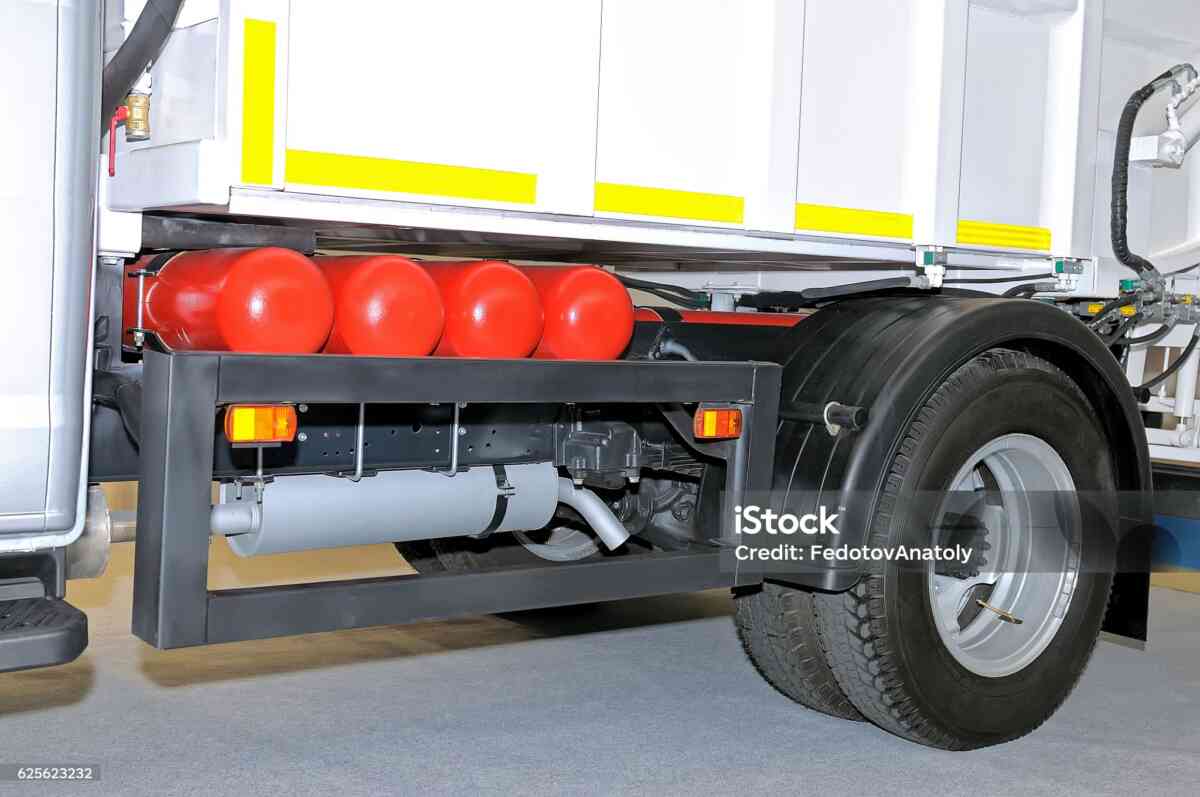
Fuel expenses are one of the largest operational costs for transportation businesses worldwide. Whether managing delivery vans, school buses, taxis, or industrial trucks, companies constantly search for ways to reduce fuel spending. One increasingly popular solution is switching to propane-powered vehicles. To evaluate potential savings accurately, businesses rely on a Propane Vehicle Cost Calculator.
This powerful financial tool helps companies analyze fuel expenses, compare propane with gasoline or diesel, and estimate long-term operational savings. In 2026, as energy prices remain volatile, propane calculators have become essential tools for modern fleet management.
Understanding Propane as a Vehicle Fuel
Propane, also known as LPG or autogas, is a clean-burning alternative fuel derived from natural gas processing and petroleum refining.
Propane is widely used in:
- Commercial transportation
- Agriculture
- Public transit
- School transportation
- Industrial fleets
Its popularity continues to rise because it often costs significantly less than gasoline or diesel.
What Does a Propane Vehicle Cost Calculator Do?
A Propane Vehicle Cost Calculator estimates:
- Monthly fuel expenses
- Annual fuel savings
- Vehicle operating costs
- Fleet-wide savings projections
- Environmental benefits
- Fuel efficiency comparisons
- Maintenance savings
- Return on investment
The calculator converts raw fuel data into actionable business intelligence.
Why Fuel Cost Analysis Matters
Transportation costs directly affect profitability.
For businesses operating multiple vehicles, even small fuel price differences can create massive yearly savings.
For example:
A delivery fleet with 50 vehicles may consume thousands of gallons annually. Saving just $1 per gallon can translate into tens of thousands of dollars in reduced operating expenses.
This is why detailed fuel analysis is critical.
Key Inputs Used in the Calculator
The calculator typically requires:
Fuel Prices
- Current propane price
- Gasoline price
- Diesel price
Vehicle Efficiency
- MPG or KM/L ratings
- Annual mileage
Fleet Size
- Number of vehicles
- Usage frequency
Conversion Costs
- Vehicle conversion investment
- Maintenance upgrades
Operational Variables
- Driving conditions
- Fuel consumption patterns
The more accurate the inputs, the more reliable the savings estimate.
Real-World Business Savings
Many companies have successfully reduced operational expenses using propane fleets.
Delivery Services
Delivery companies often drive long distances daily. Lower propane prices significantly reduce transportation costs.
School Bus Fleets
School districts increasingly adopt propane buses because of lower emissions and reduced fuel expenses.
Government Fleets
Municipal governments use propane vehicles to improve sustainability goals while reducing taxpayer costs.
Agriculture
Farmers use propane trucks and utility vehicles for fuel efficiency and reliability.
Maintenance Savings Advantages
Propane vehicles can reduce maintenance costs because propane burns cleaner than gasoline or diesel.
Potential benefits include:
- Cleaner engine oil
- Reduced carbon deposits
- Longer engine lifespan
- Lower emissions system wear
The calculator often includes estimated maintenance savings alongside fuel savings.
Environmental Impact Analysis
Environmental regulations continue tightening worldwide. Businesses are under pressure to lower emissions.
A Propane Vehicle Cost Calculator may estimate:
- Carbon dioxide reduction
- Lower particulate matter
- Reduced greenhouse gas emissions
This helps companies meet sustainability goals and improve environmental reporting.
Comparing Propane with Diesel
Diesel engines are known for efficiency, but diesel fuel prices can be highly volatile.
Diesel Advantages
- High torque
- Strong towing capability
- Good long-distance efficiency
Propane Advantages
- Lower fuel costs
- Cleaner emissions
- Quieter engines
- Lower maintenance expenses
The calculator helps determine which fuel option offers better long-term economics.
Return on Investment Calculations
One of the most important features is ROI analysis.
The calculator estimates:
- Conversion payback period
- Annual operational savings
- Long-term fleet profitability
For many fleets, propane conversion costs can be recovered within a few years.
The Role of Technology in Fuel Management
Modern fuel management tools now integrate with:
- GPS fleet tracking
- Real-time fuel monitoring
- Predictive analytics
- Expense reporting systems
Propane calculators are increasingly part of broader smart fleet management platforms.
Challenges Businesses Must Consider
Despite the advantages, propane adoption requires careful planning.
Fueling Infrastructure
Businesses need access to propane fueling stations or private fueling systems.
Initial Investment
Vehicle conversion or propane fleet purchases require upfront capital.
Fuel Efficiency Differences
Propane vehicles may consume slightly more fuel per mile compared to gasoline.
A cost calculator helps businesses determine whether these factors still result in net savings.
Future Growth of Propane Transportation
Alternative fuel adoption is expected to continue growing in the coming years.
Key trends include:
- Expanding propane fueling infrastructure
- Increased government incentives
- Improved propane engine technologies
- Rising fuel diversification strategies
Businesses that adopt propane early may gain long-term competitive advantages.
Conclusion
A Propane Vehicle Cost Calculator is more than just a fuel comparison tool. It is a strategic financial resource that helps businesses optimize transportation expenses, improve sustainability, and make informed fleet investment decisions.
As fuel costs continue fluctuating globally, propane remains an attractive alternative fuel option. With lower fuel prices, cleaner emissions, and potential maintenance savings, propane vehicles can deliver substantial financial benefits for both small businesses and large commercial fleets.

