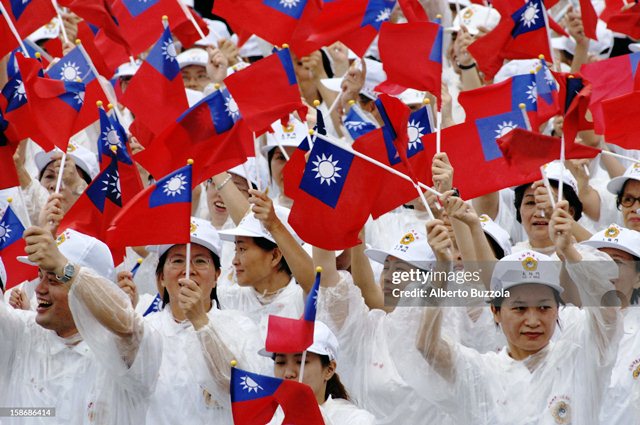
Here are the Top 10 Unique Habits Taiwanese People Often Do, blending culture, lifestyle, and charming local quirks 🇹🇼:
🇹🇼 1. Wearing Face Masks — Even Before COVID 😷
Long before the pandemic, Taiwanese people wore masks for pollution, colds, or allergies, and as a sign of politeness to avoid spreading germs.
🇹🇼 2. Lining Up for Food Trends 🍠🥤
If a new snack, bubble tea flavor, or fried chicken stall goes viral, expect long queues — and people happily waiting just to try it once.
🇹🇼 3. Drinking Bubble Tea (Boba) Daily 🧋
Boba isn’t a treat — it’s a daily ritual. From classic milk tea to fruity blends with toppings like pudding or jelly, everyone has their go-to combo.
🇹🇼 4. Shopping at Night Markets 🌃
Food, clothes, gadgets, games — you name it. Night markets are a way of life, with locals visiting several times a week to eat and explore.
🇹🇼 5. Being Super Polite (But Indirect) 🙇
Taiwanese culture emphasizes harmony and respect, so people tend to avoid confrontation, speak gently, and show courtesy in public and private.
🇹🇼 6. Using Convenience Stores for Everything 🏪
7-Eleven, FamilyMart, and Hi-Life aren’t just for snacks — they’re used for bill payments, parcel pickups, hot meals, and even printing documents.
🇹🇼 7. Carrying Umbrellas for Sun and Rain ☀️☔
Taiwanese people often carry umbrellas to block the sun (especially women) or stay dry during sudden tropical showers.
🇹🇼 8. Worshipping at Temples (Even for Exams) 🏮
Many visit temples to pray for health, luck, or school success — especially students who ask gods for good grades before big tests.
🇹🇼 9. Obsessing Over Cute Things (Kawaii Culture) 🎀
From phone cases to scooters, cute mascots, and LINE stickers — cuteness is everywhere, blending Japanese and Taiwanese aesthetics.
🇹🇼 10. Sorting Garbage and Compost Meticulously ♻️
Taiwan’s recycling system is strict and detailed. Residents separate trash, recyclables, and kitchen waste, and even wait for garbage trucks that play Beethoven music!
🇹🇼 Unique Taiwanese Habit: Wearing Face Masks — Even Before COVID 😷
In Taiwan, wearing a face mask has long been a common and accepted part of daily life — years before the COVID-19 pandemic made it globally widespread.
😷 What You’ll See:
- People wearing masks on the MRT (metro) or buses
- Students and office workers masking up when they’re feeling unwell
- Motorcyclists using masks to protect against pollution or wind
- Many carrying a spare mask in their bag, just in case
🧠 Why It’s So Taiwanese:
- Seen as a sign of respect and courtesy — protecting others if you’re sick
- A way to avoid allergens, dust, and air pollution
- Reflects a culture that values public hygiene and group wellbeing
- During flu season, wearing a mask is expected, not unusual
💡 Fun Fact:
Pharmacies and convenience stores in Taiwan always stocked masks, even before COVID — and during the pandemic, mask vending machines were introduced!
🇹🇼 Unique Taiwanese Habit: Lining Up for Food Trends 🍠🥤
In Taiwan, if something is delicious and trending — prepare to wait in line. Whether it’s a new bubble tea flavor, a famous Japanese cheesecake pop-up, or a viral street snack, Taiwanese people don’t mind queuing for hours to try the latest culinary craze.
🥡 What You’ll See:
- Long lines outside stalls, cafes, or night market booths
- People happily sharing their experience on Instagram or Dcard
- A sense of “If everyone’s lining up, it must be worth it”
- Even tourists often follow suit, led by locals or online food maps
🧠 Why It’s So Taiwanese:
- Food is a deep cultural passion — not just for eating, but discovering
- Trying new things is often seen as a social activity or weekend treat
- Queueing is orderly and respected — no cutting, no complaints
- Trends spread fast via LINE groups, YouTube, and food bloggers
💡 Fun Fact:
In Taipei, when a new food stall opens, it’s not unusual to see lines form before the store even opens, especially if it’s featured on a popular foodie page like “WalkerLand” or “愛玩客 (iWalker)”.
🇹🇼 Unique Taiwanese Habit: Drinking Bubble Tea (Boba) Daily 🧋
In Taiwan, bubble tea isn’t a trend — it’s a way of life. Born in Taichung in the 1980s, boba tea (珍珠奶茶) has become an everyday essential for many locals, whether it’s to cool down, perk up, or just treat themselves.
🧋 What You’ll See:
- A bubble tea shop on almost every corner — even inside hospitals and libraries
- People carrying customized cups with their favorite combo: sugar level, ice level, type of tea, type of pearls (boba), etc.
- Friends and coworkers asking, “要不要喝手搖杯?” (“Wanna get a hand-shaken drink?”)
- Elderly folks sipping it right alongside teens — everyone drinks it
🧠 Why It’s So Taiwanese:
- It’s a symbol of Taiwanese innovation and pride
- Reflects a vibrant drink culture — where drinks are as important as meals
- Ordering is a personalized experience with infinite options
- Seen as a daily treat, not a guilty pleasure
💡 Fun Fact:
Taiwan even has a bubble tea museum, and April 30th is celebrated as National Bubble Tea Day. Some shops even offer hot bubble tea in winter and boba pizza for the adventurous!
🇹🇼 Unique Taiwanese Habit: Shopping at Night Markets 🌃
Night markets (夜市) are a core part of daily life in Taiwan, blending food, shopping, games, and socializing into one lively experience. For many locals, visiting a night market isn’t just for tourists — it’s a regular evening routine.
🌟 What You’ll See:
- Dozens of food stalls selling everything from stinky tofu to giant fried chicken cutlets
- Locals browsing cheap clothes, phone accessories, and gadgets
- Students and families playing ring toss or claw machines
- Crowds moving through the narrow aisles with mouthwatering aromas in the air
🧠 Why It’s So Taiwanese:
- Affordable, fast, and tasty street food culture
- Night markets offer a safe, social place to hang out after work or class
- Blends tradition and trend — old family-run stalls next to viral snack experiments
- Reflects Taiwan’s night owl lifestyle — most markets run until midnight or later
💡 Fun Fact:
There are over 70 major night markets in Taiwan! Some famous ones include:
- Shilin Night Market (Taipei) – the biggest
- Liuhe Night Market (Kaohsiung) – seafood heaven
- Fengjia Night Market (Taichung) – a student favorite
- Raohe Night Market – known for pepper buns baked in clay ovens
🇹🇼 Unique Taiwanese Habit: Being Super Polite (But Indirect) 🙇
In Taiwan, politeness is deeply rooted in everyday interactions, but it often comes with a cultural twist — being indirect to avoid confrontation or making others uncomfortable. It’s not just about manners; it’s a reflection of respect, humility, and social harmony.
🙇 What You’ll Notice:
- Frequent use of polite phrases like “不好意思” (bù hǎo yì si – “sorry/excuse me”)
- People saying “maybe” or “let me think about it” when they mean no
- Compliments are usually deflected, not directly accepted
- A strong emphasis on not embarrassing others in public, even if someone is wrong
🧠 Why It’s So Taiwanese:
- Influenced by Confucian values, which stress humility and saving face (面子)
- Communication often focuses on what’s implied, not just what’s said
- It’s better to maintain peace than win an argument
- Taiwanese people rarely raise their voice or act confrontational in public
💡 Fun Fact:
Even if someone is upset in a restaurant or store, they’ll usually express it gently and with a smile, often using soft language like “其實我覺得…” (“Actually, I think…”).
🇹🇼 Unique Taiwanese Habit: Using Convenience Stores for Everything 🏪
In Taiwan, convenience stores like 7-Eleven, FamilyMart, Hi-Life, and OK Mart are more than just places to grab a snack — they’re a part of daily life. Locals rely on them for everything from paying bills to mailing packages, grabbing dinner, or even printing documents.
🏪 What You’ll See:
- People paying utility bills, parking tickets, or taxes
- Students printing homework or scanning QR codes at self-service kiosks
- Office workers grabbing a hot bento box or oden (關東煮)
- Tourists and locals sending packages or collecting online orders
- Even buying train tickets or concert passes at the counter
🧠 Why It’s So Taiwanese:
- Stores are open 24/7, spotless, and well-organized
- Staff are efficient, polite, and trained to multitask
- They function like a mini post office, bank, food court, and information desk
- You’re never far from one — over 13,000 nationwide!
💡 Fun Fact:
You can even renew your National Health Insurance card at a convenience store kiosk. And during typhoon season, these stores stay open — truly living up to the name “convenience.”
🇹🇼 Unique Taiwanese Habit: Carrying Umbrellas for Sun and Rain ☀️☔
In Taiwan, umbrellas aren’t just for unexpected downpours — they’re also a daily defense against the tropical sun. Locals carry umbrellas year-round, whether it’s blazing hot or suddenly rainy.
☂️ What You’ll See:
- People opening umbrellas on sunny days to avoid tanning or heatstroke
- Locals caught in a drizzle magically pulling out umbrellas from their bags
- Elegant UV-blocking parasols, especially popular with women
- Stores selling compact umbrellas in every color and pattern imaginable
🧠 Why It’s So Taiwanese:
- Taiwan’s climate is hot, humid, and unpredictable — often sunny one moment and raining the next
- Fair skin is still considered desirable by many, especially among older generations
- Practicality matters — people prepare for anything while staying stylish
- Umbrellas are seen as a daily necessity, like a wallet or keys
💡 Fun Fact:
Some people keep two umbrellas: one for sun protection, another for rain — because rainwater can damage delicate UV-coated sun umbrellas!
🇹🇼 Unique Taiwanese Habit: Worshipping at Temples (Even for Exams) 🙏📚
In Taiwan, temples are more than places of worship — they’re community hubs, cultural landmarks, and even sources of spiritual support for everyday life. Whether it’s for health, business, love, or acing an exam, people frequently stop by temples to make offerings and prayers.
🛕 What You’ll See:
- Students offering incense and red ribbon charms to the God of Literature (Wenchang Dijun) before big tests
- Locals praying for career success, fertility, or safe travels
- Temples packed on Lunar New Year, Ghost Festival, or exam seasons
- People drawing fortune sticks (求籤) and tossing moon blocks to seek divine advice
🧠 Why It’s So Taiwanese:
- Combines elements of Buddhism, Taoism, and folk religion
- Spiritual practice is often blended with daily life, not just holidays
- Reflects respect for ancestors and deities, and belief in good luck rituals
- Visiting temples is both a tradition and comfort, even for the younger generation
💡 Fun Fact:
During college entrance exam season, students flock to temples like Wenchang Temple or Taipei’s Confucius Temple, bringing pens and ID cards to be “blessed” for good results.
🇹🇼 Unique Taiwanese Habit: Worshipping at Temples (Even for Exams) 🙏📚
In Taiwan, temple worship is woven into everyday life — not just for religious reasons, but also for practical ones like passing exams, landing a job, or improving health. Even young people who don’t consider themselves religious often visit temples during key moments in life.
🛕 What You’ll See:
- Students visiting Wenchang Dijun (God of Literature) before big tests
- People lighting incense and offering fruit, flowers, or even stationery items
- Fortune sticks (籤詩) and moon blocks (筊杯) used to seek guidance or answers
- Families visiting temples during Lunar New Year or Ghost Month for blessings
🧠 Why It’s So Taiwanese:
- Combines Taoist, Buddhist, and folk traditions uniquely
- Emphasizes respect for ancestors, deities, and spiritual balance
- Seen as a way to invite luck, protection, and peace of mind
- Even non-religious locals say, “拜一下也沒壞處” (“No harm in praying a little”)
💡 Fun Fact:
At some temples, you can register your name and exam date so monks or temple staff will chant blessings for you. Many students carry charm pendants blessed at temples in their pencil cases or wallets.
🇹🇼 Unique Taiwanese Habit: Obsessing Over Cute Things (Kawaii Culture) 🧸🎀
In Taiwan, “cute culture” isn’t just for kids — it’s embraced by people of all ages! From everyday items to branding, fashion, and even government campaigns, cuteness (可愛風 / Kě’ài fēng) is a huge part of local aesthetics and lifestyle.
🐰 What You’ll See:
- Hello Kitty, Rilakkuma, or Sanrio characters on MRT cards, receipts, even bank ads
- Adults carrying adorable keychains, phone cases, or stationery
- Police stations or hospitals decorated with cartoon mascots to appear more friendly
- Cafés and dessert shops using cute presentations for drinks and food
🧠 Why It’s So Taiwanese:
- Reflects an appreciation for playfulness, warmth, and visual charm
- Influenced by Japanese kawaii culture, but adapted with local flair
- Softens daily life — even serious institutions use cuteness to reduce stress and feel more welcoming
- Seen as a form of self-expression and comfort, not immaturity
💡 Fun Fact:
Taiwan’s presidential office has its own cartoon mascot, and even the military has used cute illustrated guides for public safety campaigns!
🇹🇼 Unique Taiwanese Habit: Sorting Garbage and Compost Meticulously ♻️🗑️
In Taiwan, throwing out your trash isn’t just a daily task — it’s a community ritual with strict rules. Locals are incredibly diligent about recycling, composting, and waste separation, making Taiwan one of the top recycling nations in the world.
🧃 What You’ll See:
- People waiting for the garbage truck, which plays music like an ice cream van 🎵
- Separate bins (and sometimes color-coded bags) for general waste, recyclables, food scraps, and batteries
- Food waste carefully separated into “raw” and “cooked” types
- Everyone, from school kids to elders, knowing exactly what goes where
🧠 Why It’s So Taiwanese:
- Driven by strict government policies and limited landfill space
- Trash collection happens only at specific times, encouraging communal responsibility
- Residents are held accountable — you often must take your trash to the truck yourself
- It’s a blend of eco-consciousness and civic discipline
💡 Fun Fact:
Some neighborhoods have recycling stations with volunteers who help sort items correctly — and fines apply if you get it wrong. Plus, many buildings don’t have dumpsters, so you must meet the truck or risk keeping trash indoors!

