Introduction
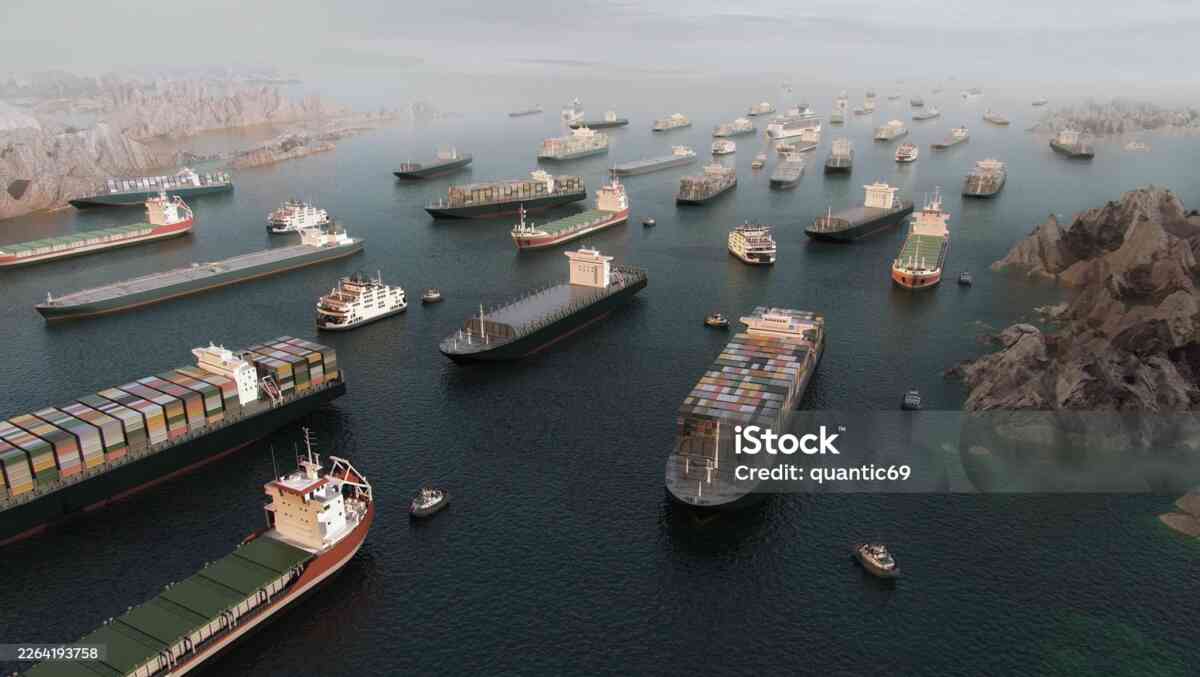
In the modern global economy, energy transportation is just as important as energy production. Oil and natural gas must travel thousands of kilometers from production fields to refineries and consumers. Along these routes exist several narrow passages known as energy chokepoints—locations where a disruption could affect global energy markets.
Among all of these passages, none is more critical or potentially dangerous than the Strait of Hormuz.
Situated between Iran and Oman, this narrow waterway connects the Persian Gulf with the Gulf of Oman, providing the only maritime exit for oil exports from many Gulf countries.
Every day, enormous oil tankers carrying millions of barrels of crude oil pass through this corridor. Because such a large share of global oil trade depends on this narrow passage, any disruption—whether military conflict, terrorism, or geopolitical tension—can immediately influence global oil prices and economic stability.
The Strait of Hormuz has therefore become one of the most strategically sensitive locations on Earth. Its importance extends beyond the Middle East and affects economies across Asia, Europe, and the Americas.
Understanding why the Strait of Hormuz is considered the world’s most dangerous energy chokepoint requires examining its geography, energy flows, geopolitical tensions, military presence, and economic consequences.
Understanding Energy Chokepoints
An energy chokepoint refers to a narrow channel or passage through which large volumes of oil or natural gas must travel. Because these routes are narrow and geographically constrained, they are vulnerable to disruption.
Energy chokepoints are important because they concentrate global trade in small areas where accidents, conflicts, or blockades could halt transportation.
Some of the most well-known energy chokepoints include:
- Suez Canal
- Bab el-Mandeb Strait
- Malacca Strait
- Panama Canal
While each of these routes is vital for global trade, the Strait of Hormuz is widely regarded as the most important energy chokepoint because of the enormous volume of oil that flows through it.
Unlike some other chokepoints that offer alternative routes, there are few viable alternatives for transporting Gulf oil without passing through this strait.
Geographic Characteristics of the Strait of Hormuz
The Strait of Hormuz lies at the entrance to the Persian Gulf and forms the only sea passage between Gulf oil producers and global markets.
At its narrowest point, the strait measures roughly 33 kilometers (21 miles) wide. However, due to shipping regulations, the actual tanker lanes are far narrower.
Shipping traffic operates within two main lanes:
- One inbound lane
- One outbound lane
Each lane is approximately two miles wide and separated by a buffer zone.
This narrow configuration creates significant navigational challenges, particularly given the heavy volume of tanker traffic.
Strategic Islands and Territory
The northern side of the strait is controlled by Iran, while the southern side belongs to Oman, particularly the Musandam Peninsula.
Iran also controls several strategically located islands, including:
- Qeshm Island
- Hormuz Island
- Abu Musa Island
These islands give Iran a strategic vantage point over shipping routes, allowing surveillance and potential military deployment.
Because of these geographic realities, the Strait of Hormuz is not only a commercial shipping lane but also a highly militarized zone.
The Massive Energy Flow Through the Strait
The Strait of Hormuz carries a significant portion of the world’s energy supply.
A large share of oil exports from the Persian Gulf must pass through this narrow channel before reaching international markets.
Major exporting countries that depend on the strait include:
- Saudi Arabia
- United Arab Emirates
- Kuwait
- Iraq
- Qatar
These countries produce a significant percentage of the world’s oil and natural gas.
In addition to crude oil, the strait is also a critical route for liquefied natural gas (LNG) shipments, particularly from Qatar, one of the world’s largest LNG exporters.
The sheer scale of energy flow through the strait makes it extremely important to the global economy.
Global Dependence on Persian Gulf Energy
The countries most dependent on energy transported through the Strait of Hormuz are located in Asia.
Major importers include:
- China
- India
- Japan
- South Korea
These nations rely heavily on Persian Gulf oil to power their economies.
Even countries with domestic oil production—such as the United States—still have strategic interests in maintaining open shipping routes through the strait because global oil prices affect their economies.
Because of this dependence, any disruption in the Strait of Hormuz can trigger global economic consequences.
Military Presence in the Strait
Due to its strategic importance, the Strait of Hormuz has one of the highest concentrations of naval forces in the world.
The United States Navy maintains a strong presence through the United States Fifth Fleet, headquartered in Bahrain.
The fleet’s responsibilities include:
- Protecting maritime shipping lanes
- Ensuring freedom of navigation
- Deterring regional conflicts
Other countries also conduct naval patrols in the region, including:
- United Kingdom
- France
- India
- Australia
These multinational security efforts aim to ensure safe passage for commercial vessels.
Historical Conflicts in the Strait
The Strait of Hormuz has been the center of several geopolitical crises over the past decades.
One of the most notable conflicts occurred during the Iran–Iraq War between 1980 and 1988.
During this conflict, both countries targeted oil tankers in the Persian Gulf in what became known as the Tanker War.
These attacks threatened global oil supplies and prompted international naval intervention to protect shipping.
More recently, the region has experienced incidents involving tanker seizures, naval confrontations, and drone attacks.
Each incident has heightened concerns about the security of global energy supplies.
Iran’s Strategic Leverage
Because Iran controls the northern side of the Strait of Hormuz, it possesses significant geopolitical leverage.
Iranian officials have occasionally suggested that the country could close the strait if faced with extreme political or economic pressure.
While completely blocking the strait would be difficult, Iran could disrupt shipping through several methods:
- Naval patrol boats
- Coastal missile systems
- Maritime mines
- Drone surveillance
Even the possibility of disruption can influence global oil markets.
Economic Consequences of Disruption
A disruption in the Strait of Hormuz would have immediate consequences for global energy markets.
Potential effects include:
Oil Price Spikes
Oil prices could surge dramatically due to supply shortages.
Rising Transportation Costs
Higher fuel prices would increase shipping and airline costs.
Global Inflation
Energy costs affect almost every sector of the economy, leading to rising prices for goods and services.
Financial Market Volatility
Stock markets often react strongly to geopolitical tensions in the Persian Gulf.
Because of these risks, governments and energy companies closely monitor developments in the region.
Alternative Routes and Infrastructure
Some Gulf countries have attempted to reduce their dependence on the Strait of Hormuz by building alternative export routes.
Examples include:
- The East–West Pipeline across Saudi Arabia
- The Abu Dhabi Crude Oil Pipeline in the United Arab Emirates
These pipelines allow some oil to reach ports outside the Persian Gulf.
However, their capacity is limited and cannot fully replace the massive volume of oil transported through the strait.
The Future of the Strait of Hormuz
Despite global efforts to diversify energy sources, the Strait of Hormuz will likely remain critical for decades.
Although renewable energy is expanding, oil and natural gas still play major roles in global energy consumption.
As long as the world depends on Persian Gulf energy exports, the Strait of Hormuz will remain one of the most strategically important—and potentially dangerous—locations in the global energy system.
Conclusion
The Strait of Hormuz stands at the intersection of global energy security, geopolitics, and international trade.
Its narrow geography, massive energy flows, and proximity to regional conflicts make it the most dangerous energy chokepoint in the world.
Ensuring the stability and security of this vital waterway remains a top priority for governments, military alliances, and energy markets worldwide.
As the global economy continues to rely on energy from the Persian Gulf, the importance of the Strait of Hormuz will remain central to discussions about energy security and international stability.

